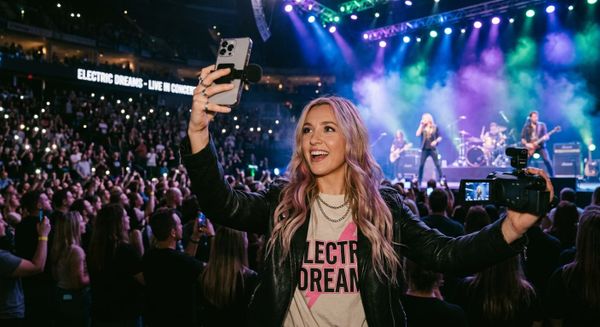
Human-AI alignment offers a people-centered vision for the future of work, using technology to reduce repetitive tasks while giving humans more space for creativity, empathy, judgment, relationships and vision. The goal is not to replace human intelligence, but to amplify it.
A career built through one technological revolution is disrupted by another, revealing why experience still matters and why adapting should never mean starting from zero.
A disappearing job does not mean your experience has lost its value. The opportunity may be learning to reposition what you know around new problems worth solving.
A disappearing job does not mean your experience has lost its value. The opportunity may be learning to reposition what you know around new problems worth solving.
Human-AI alignment offers a people-centered vision for the future of work, using technology to reduce repetitive tasks while giving humans more space for creativity, empathy, judgment, relationships and vision. The goal is not to replace human intelligence, but to amplify it.
A career built through one technological revolution is disrupted by another, revealing why experience still matters and why adapting should never mean starting from zero.
Tilly Norwood is more than an AI-generated actress. She represents one of the first attempts to create a licensable AI performer, signaling the possible birth of a new market where digital personalities become valuable intellectual property
A social media exchange about creativity, employment, and artificial intelligence highlights growing concerns among artists and creative professionals. The discussion may be an early signal of a broader debate about how technology will reshape creative work in the coming decade.