
Radical Reframe









By Les Mottosky
Fear of death by Westerners is turning the natural process of aging into a disease. In many ways the movement of 'bio-hacking' (using tech, practices and supplementation to influence/improve personal biology) is a euphemism for thanatophobia - fear of death.
For those more focused on their love of life, a valuable reframe has emerged from this subculture: healthspan. This is a shift from duration of life to maximizing it's quality. Who wants to be around a long time if even a single day requires enduring existence rather than living our life?
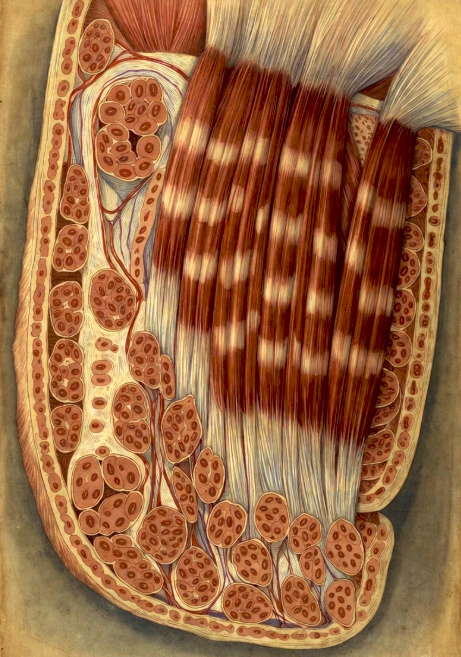
One of the biggest influences on quality of life is an organ few of us consider an organ: our muscular system. The heart usually takes center stage in this conversation, but leg and grip strength are two key markers often used to predict longevity, independence and constitution.
Muscle mass also reduces numerous risks of mortality in surprising ways:
- Better glucose disposal: More muscle means lower blood sugar, less insulin resistance, diabetes risk (~50-70% lower in high-muscle groups)
- Stronger anti-inflammatory profile: Muscle is a hostile environment for tumors; it's an endocrine organ that secretes myokines which reduce systemic inflammation
- Higher resting metabolic rate: Muscularity protects against obesity and metabolic syndrome even at the same body weight
- Greater bone density: Mechanical loading from muscle prevents osteoporosis and hip fractures (a top killer in the elderly)
- Improved cardiovascular resilience: Stronger muscles means better VO₂ max, lower resting heart rate, and reduced arterial stiffness
- Higher strength reserve in old age: Delays frailty/sarcopenia; each 10% increase in grip strength means approximately 15-20% lower mortality
- Cancer protection: Multiple studies show higher muscle mass is linked to lower cancer incidence and a survival predictor when diagnosed
- Fall & injury prevention: Strong legs/glutes/core translates to fewer deadly falls after 65
Risks of sarcopenia by the numbers (less than optimal muscle mass):
- 300% greater risk of dying from colon cancer
- 1200% greater risk of losing independence in late age
- 300% more likely to develop dementia and/or Alzheimer's
- A higher risk of death or a longer recovery time when admitted to intensive care units
- A greater chance of dying from infection or sepsis
People who don't resistance train to build muscle also have higher levels of anxiety, increased symptoms of depression, weaker cognitive performance and a less reliable memory. Research has even shown that resistance training reduces symptoms of bipolar disorder and schizophrenia.
Muscle is much more than an aesthetic accessory or inert tissue. It secretes compounds that protect other organs and tissues. While it won't prevent damage to the DNA, it might impede the growth of damage when it occurs.
Greater muscle mass isn't only an expression of strength. It's a marker of state, quality and longevity of mind and body.
If you've delayed until now, wait no longer on those weights.
Muscle is more than an organ, it's an expression of vitality...and vitality expressed.
TAGS: #Radical Reframe #Muscle Means More #Curiosity Is Our Nature #Wisdom In Leadership #Adaptation As Innovation
Les Mottosky
Adaptation Strategist // I help organizations turn creativity into their competitive advantage by aligning leadership, culture and strategy to unlock adaptive innovations. It's not easy. But it's simple.
Ask about the Clarity Engine Process.
Members Discussion