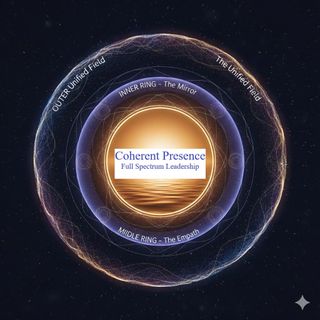
Today’s reflection, our fourth and culminating article, offers gratitude, synthesis, and a respectful invitation. Gratitude for your energy and feedback. Synthesis to highlight what we discovered together.
When empathy becomes culture, it ceases to be exceptional. It becomes the quiet assumption shaping how meetings start, how voices listen, how decisions weigh human consequence. This shift does not erupt as revolution; it unfolds as habit, micro‑gestures repeated until they alter atmosphere.
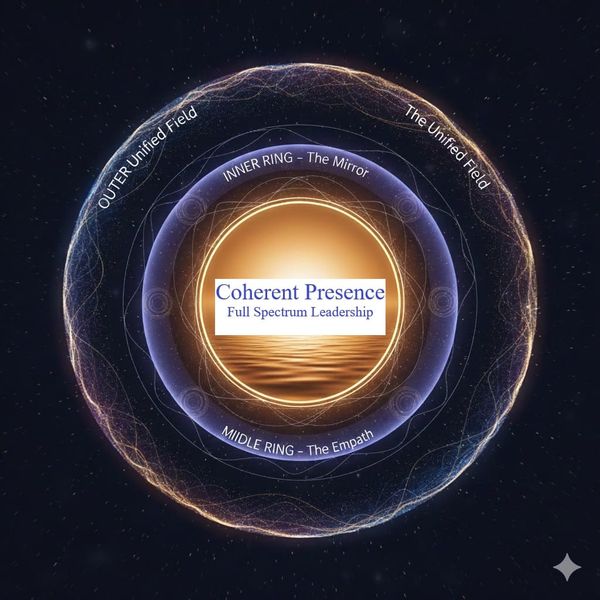
Today’s reflection, our fourth and culminating article, offers gratitude, synthesis, and a respectful invitation. Gratitude for your energy and feedback. Synthesis to highlight what we discovered together.
When empathy becomes culture, it ceases to be exceptional. It becomes the quiet assumption shaping how meetings start, how voices listen, how decisions weigh human consequence. This shift does not erupt as revolution; it unfolds as habit, micro‑gestures repeated until they alter atmosphere.
Many of us learn empathy as outward action: Do for others, feel for others, give until emptied. Yet empathy begins long before action. It begins at a point of interior stillness, the space where perception listens inwardly enough to discern truth from performance.
Emotional intelligence (EQ) is often the silent differentiator that separates good leaders from great ones — it’s the unspoken backbone of trust, resilience, and team cohesion.