By Elke Porter | WBN News Vancouver | December 24, 2025
Subscription to WBN and being a Writer is FREE!

British Columbia's highways are stunning, but they can also be deadly. Whether you're tackling the Coquihalla, winding through the Fraser Canyon, or navigating any mountain pass, winter driving demands respect and preparation.

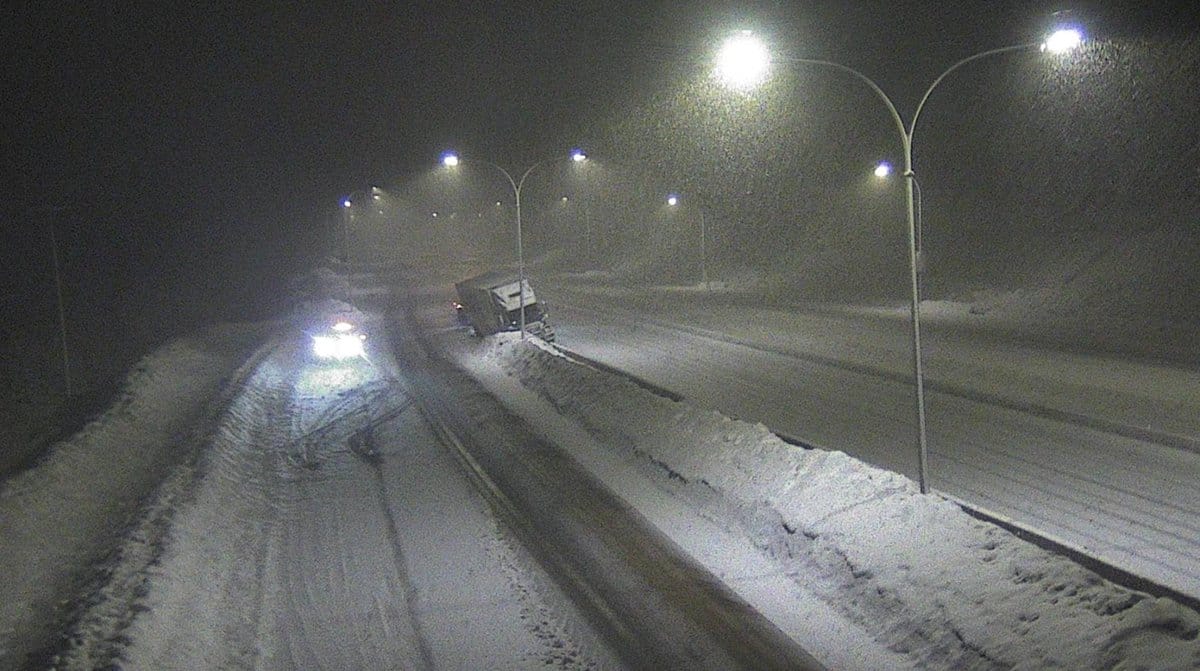
Recent incidents on the Coquihalla involving multiple semi-truck collisions and overnight closures serve as stark reminders that even major routes can become treacherous in minutes. The difference between arriving safely and becoming a statistic often comes down to preparation, awareness, and the willingness to slow down or turn back when conditions deteriorate.

Check Before You Go

Before you even start your engine, visit DriveBC.ca to check current road conditions, closures, and webcam feeds. Don't just glance at the homepage—click through to view live webcams along your route, especially at high-elevation points like the Coquihalla Summit.

Weather patterns change rapidly in the mountains, and what looks clear in Hope can be a blizzard at the summit. Environment Canada's weather warnings are your friend—if there's a snowfall warning calling for 15+ centimeters, seriously reconsider your travel plans or at minimum, prepare for delays.

Pack Your Winter Survival Kit

Your vehicle needs to be equipped like you're planning to spend the night outdoors, because you might have to. Pack warm blankets or sleeping bags for every passenger, extra winter clothing including gloves and hats, non-perishable food like energy bars and nuts, plenty of bottled water, a snow shovel, an ice scraper, booster cables, a flashlight with extra batteries, and yes, even a bucket or "pot to piss in" if you're stuck for hours.

During recent closures on the Coquihalla, drivers were stranded for 12+ hours—those without proper supplies faced genuinely dangerous situations. Also carry a first-aid kit, a phone charger, and consider a portable phone battery pack since cell coverage can be spotty in mountain passes.

Drive to Survive

Speed kills, especially on winter highways. When conditions are snowy or icy, cut your speed dramatically—driving 50 km/h in an 80 zone is smart, not cowardly. A tow truck operator recently noted pulling out several vehicles with bald tires from Coquihalla incidents, emphasizing that proper winter tires aren't optional—they're essential for survival.

Leave massive space between you and the vehicle ahead, avoid sudden movements, and if you start to slide, ease off the gas and steer gently in the direction you want to go. When visibility drops or roads become icy, find a safe place to pull over and wait it out. No appointment, delivery, or holiday gathering is worth your life.

Know Who's Maintaining Your Route

The Coquihalla Highway is maintained by Yellowhead Road & Bridge (Nicola) Ltd., which manages approximately 3,400 kilometers of roads and 168 bridges in the region through yards in Merritt, Lytton, Logan Lake, and the Coldwater Yard near the Coquihalla Summit.

Understanding who's responsible helps you know where to direct concerns and stay informed during weather events. Follow their social media accounts (@YRBNicola on Twitter, YRBNicola on Facebook) for real-time updates during storms. During severe weather, they coordinate with RCMP, Commercial Vehicle Safety Enforcement, and avalanche teams to manage conditions.

Final Word: Patience and Preparation

Mountain weather is unforgiving and unpredictable. Atmospheric rivers, sudden snowstorms, and freezing temperatures can transform a routine drive into a survival situation within minutes. The key to not dying on BC highways isn't complicated: check conditions obsessively, pack for the worst-case scenario, ensure your vehicle is winter-ready with proper tires, and drive slowly enough that you can stop safely.

Remember, arriving four hours late is infinitely better than not arriving at all. If conditions look dangerous, postpone your trip—the mountain will still be there tomorrow, and so will you.

Elke Porter at:
Westcoast German Media
LinkedIn: Elke Porter or
WhatsApp:  +1 604 828 8788.
Public Relations. Communications. Education

Let’s bring your story to life — contact me for books, articles, blogs, and bold public relations ideas that make an impact.

TAGS: #BC Highway Safety #Winter Driving BC #Coquihalla Highway #Drive BC safely #BC Road Safety #Mountain Driving Tips #WBN News Vancouver #Elke Porter

Share this article
The link has been copied!