
Peachy Magistrado




By Peachy Magistrado | WBN News - Vancouver | September 9, 2026 Editor: Karalee Greer
Subscription to WBN and being a Contributor is Free
Staying active can become more challenging as we get older, but regular movement remains an important part of healthy aging.
For seniors, appropriate physical activity can help maintain strength, balance, flexibility and the ability to perform everyday tasks. Even relatively simple activities, such as walking or gentle stretching, can help older adults remain active and independent.
The key is finding activities that are appropriate for each person's health, abilities and mobility.
Why Movement Matters As We Age
Muscle strength, flexibility and balance can change with age. When movement becomes more difficult, some seniors may become less active.
Unfortunately, inactivity can contribute to further loss of strength and mobility.
Regular physical activity can help older adults maintain the abilities they use every day — getting out of a chair, walking through the house, climbing stairs, carrying groceries or enjoying time outside.
For seniors who receive home care, incorporating appropriate movement into an established daily routine can also make staying active feel more manageable.
Walking Can Be A Good Place To Start
Exercise doesn't necessarily mean going to a gym or completing a strenuous workout.
For many older adults, walking is an accessible way to stay active.
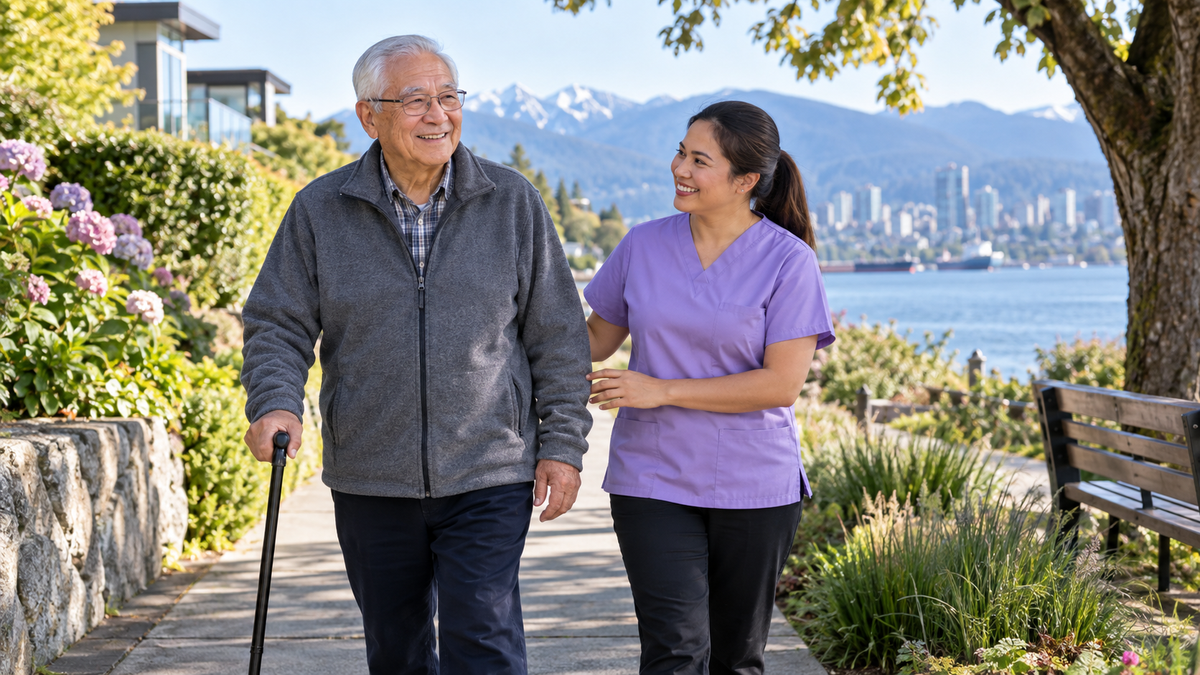
A walk around the neighbourhood, through a local park or even inside the home can provide physical activity while allowing a senior to move at a comfortable pace.
Some people may use a cane, walker or other mobility aid. These shouldn't be viewed as barriers to activity. When properly fitted and used as recommended, mobility aids can help people move more safely and confidently.
Strength Helps With Everyday Life
Maintaining muscle strength becomes increasingly important as we age.
Strong muscles help with many ordinary activities, including standing from a chair, getting into bed, carrying objects and maintaining stability while moving around the home.
Depending on an individual's abilities and medical circumstances, an appropriate exercise program may include gentle strengthening activities.
However, exercises should be suitable for the individual. Seniors with medical conditions, recent surgery, significant mobility limitations or a history of falls should speak with their physician, physiotherapist or another qualified healthcare professional about what activities are appropriate.
Balance And Coordination Support Independence
Balance and coordination play an important role in everyday independence.
Turning around, reaching into a cupboard, stepping over a doorway or moving from one surface to another all require the body to coordinate several movements at once.
Appropriate balance activities can help older adults maintain these abilities.
Because falls can have serious consequences for seniors, however, balance exercises should be performed safely. Someone who is unsteady or at increased risk of falling may need professional assessment and supervision rather than attempting new exercises independently.
Gentle Stretching Can Help Maintain Flexibility
Flexibility helps us reach, bend and move comfortably throughout the day.
Gentle stretching may help seniors maintain their range of motion and make everyday activities easier.
Stretching shouldn't be painful or forced. Movements should be comfortable and appropriate for the individual's abilities.
A healthcare professional can provide guidance when pain, injury, arthritis, surgery or another health condition affects movement.
Making Activity Part Of Everyday Life
One of the easiest ways to encourage regular movement is to make it part of an existing routine.
That could mean taking a short walk after breakfast, standing and moving periodically during the day, tending a garden, walking to the mailbox or participating in a favourite recreational activity.
The activity doesn't have to look like formal exercise to be valuable.
For many seniors, doing something enjoyable also makes it easier to remain consistent.
How Home Care Can Support An Active Lifestyle
Home caregivers can play a supportive role in helping seniors remain active.
Depending on the client's care plan and the caregiver's training and scope of practice, this might include accompanying someone on a walk, encouraging regular movement or helping a client safely follow an exercise program that has already been recommended by a qualified healthcare professional.
There is an important distinction between this type of support and clinical rehabilitation.
Personal home-care workers should not diagnose mobility problems, prescribe exercise programs or replace physiotherapists and other regulated healthcare professionals.
Instead, home care can help seniors incorporate appropriate activity into everyday life while providing companionship and practical assistance.
Confidence Matters Too
Changes in balance or mobility can sometimes make older adults hesitant to move.
A person who is worried about falling may begin avoiding activities they once enjoyed. Over time, that can further reduce opportunities for movement and social connection.
Appropriate support can help some seniors feel more confident participating in everyday activities.
The goal isn't to push someone beyond their abilities. It is to help them continue doing as much as they safely can for themselves.
Why It Matters
Physical activity isn't only about exercise.
For an older adult, maintaining strength, balance and mobility can mean continuing to prepare a meal, walk through the garden, visit friends or simply move around their own home with greater confidence.
Small amounts of appropriate activity, performed regularly, can contribute to healthy aging.
The best approach is individual. What works well for one senior may not be safe or appropriate for another.
For families considering additional assistance, Peachtacular Home Health Care provides personalized home-care services that can support seniors with everyday routines, mobility and maintaining an active lifestyle at home.
About The Author
By Peachy Magistrado | WBN News - Vancouver Founder | Peachtacular Home Health Care Website: https://peachtacularhhc.com/
I believe every senior deserves compassionate, respectful care that promotes dignity, independence, and quality of life. My goal is to help families find personalized home care solutions that allow their loved ones to remain safe, comfortable, and supported in the place they call home.
Peachy Magistrado is the founder of Peachtacular Home Health Care, where she works with seniors and their families to provide personalized home-care support focused on dignity, independence, safety and quality of life.
Editor: Karalee Greer
Subscription to WBN and being a Contributor is Free
Medical Disclaimer
This article is for general informational purposes only and is not medical advice or an individualized exercise program. Seniors should consult their physician, physiotherapist or another qualified healthcare professional before beginning or significantly changing an exercise routine, particularly if they have medical conditions, mobility limitations, a history of falls or have recently undergone surgery or hospitalization.
Sources
- Peachtacular Home Health Care
- Public Health Agency of Canada
- ParticipACTION
- HealthLink BC
- Canadian Society for Exercise Physiology
Tags: #Senior Care #Home Care #Healthy Aging #Caregivers #Independent Living #WBN News - Vancouver #Peachy Magistrado #Mobility #Fall Prevention
Members Discussion