
Peachy Magistrado




By Peachy Magistrado | WBN News - Vancouver | August 22, 2026 Editor: Karalee Greer
Subscription to WBN and being a Contributor is Free
For many seniors, remaining at home means staying connected to familiar routines, treasured belongings, neighbours and a sense of independence.
As everyday activities become more difficult, however, a little assistance can make an important difference. Personal care services can help seniors continue living at home while supporting their comfort, safety, dignity and independence.
Help With Everyday Personal Care
Activities most of us take for granted can become more challenging with age, reduced mobility or changes in health.
Personal caregivers can provide appropriate assistance with everyday activities such as:
- Bathing and showering
- Dressing
- Grooming
- Toileting
- Mobility and transfers
- Other personal routines
The goal is not simply to complete a task for someone. Good personal care should provide the level of assistance needed while encouraging seniors to continue doing what they safely can for themselves.
This can help preserve both independence and dignity.
Supporting The Choice To Age At Home
Many older adults want to remain in their own homes as they age.
Home care can make that choice more manageable by adapting support to the individual's abilities and routines rather than requiring the person to adapt to an institutional schedule.
Some seniors may need only occasional assistance. Others may require more regular support.
A personalized care plan can change as an individual's circumstances and needs change.
Companionship Matters Too
Personal care isn't only about physical assistance.
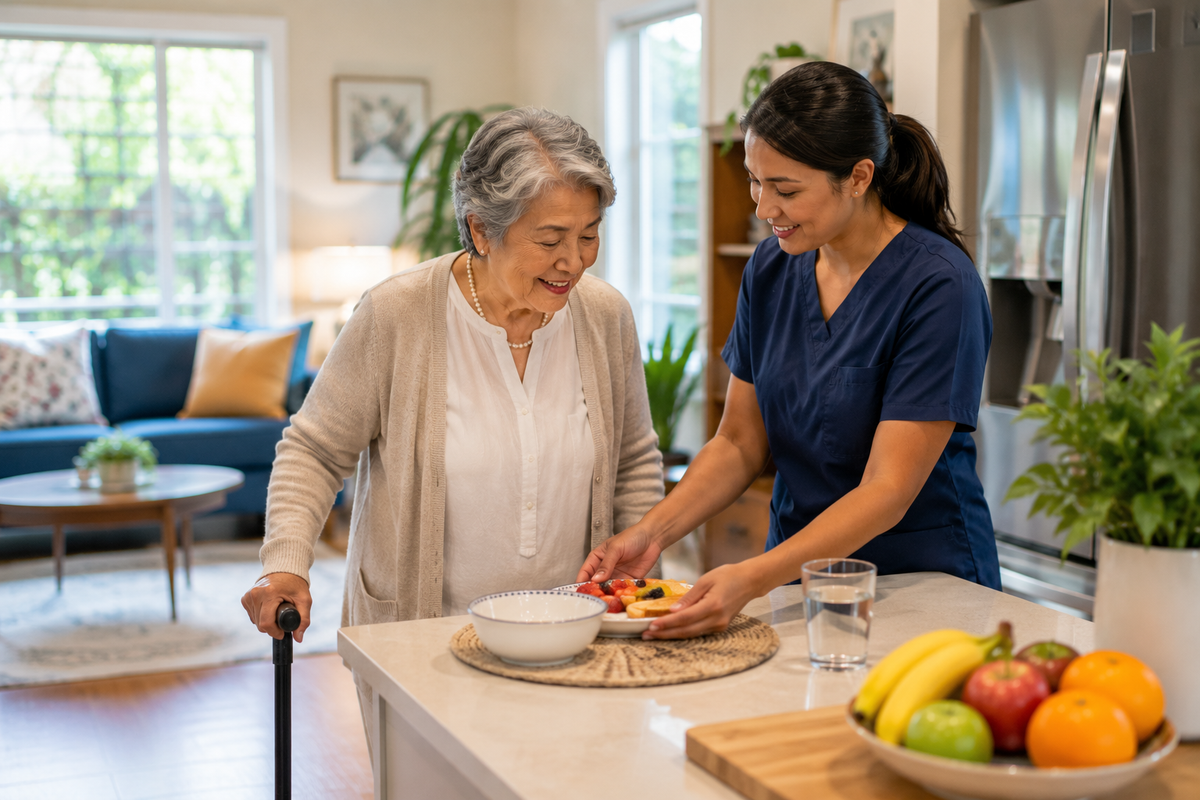
Social connection and companionship can be an important part of healthy aging. A caregiver may spend time talking with a client, sharing a meal, going for a walk or helping the person continue participating in favourite hobbies and activities.
These everyday interactions can provide meaningful companionship, particularly for seniors who live alone or have limited opportunities for regular social contact.
Supporting Medication Routines
Managing several medications can become complicated, particularly when prescriptions are taken at different times of the day.
Depending on the caregiver's role and scope of practice, home care may include medication reminders and assistance with established routines.
Clinical medication management, medication changes and medical decisions should remain under the direction of physicians, pharmacists, nurses or other appropriately regulated healthcare professionals.
Caregivers may also notice changes in a client's behaviour, mobility or general condition and communicate concerns according to the individual's care plan.
Nutritious Meals At Home
Preparing meals can become more difficult because of reduced mobility, fatigue or other age-related changes.
Caregivers can assist with grocery shopping, meal planning and food preparation based on the client's preferences and any dietary guidance provided by healthcare professionals.
Beyond nutrition, sharing a meal can also provide another valuable opportunity for companionship and social connection.
Personal Care Should Remain Personal
No two seniors have exactly the same needs.
One person may primarily need assistance getting safely in and out of the shower. Another may need help preparing meals, dressing and moving around the home. Someone else may value companionship and occasional assistance with errands.
Person-centred care begins by understanding what an individual can do, where assistance would help and what matters most to that person.
Respect, privacy and choice should remain central to the relationship.
Supporting Families
Home care can also provide valuable support for family caregivers.
Adult children and spouses may want to provide all the care themselves but find it difficult to balance caregiving with work, children and their own responsibilities.
Professional assistance can supplement the care a family already provides while giving relatives greater confidence that their loved one has support when they cannot be there.
Why It Matters
Personal care is about much more than helping with bathing, dressing or preparing meals.
Done well, it can help an older adult continue participating in everyday life while maintaining as much independence and choice as possible.
For many families, the question isn't simply whether a senior can remain at home. It is how to make living at home safer, more comfortable and sustainable.
Peachtacular Home Health Care provides personalized home care services for seniors and families in Vancouver. Families interested in learning about available support can contact Peachtacular to discuss their individual needs.
About The Author
By Peachy Magistrado | WBN News - Vancouver Founder | Peachtacular Home Health Care
I believe every senior deserves compassionate, respectful care that promotes dignity, independence, and quality of life. My goal is to help families find personalized home care solutions that allow their loved ones to remain safe, comfortable, and supported in the place they call home.
🌐 Website: https://peachtacularhhc.com
Editor: Karalee Greer
Subscription to WBN and being a Contributor is Free
Disclaimer
This article is provided for general informational purposes only and is not medical advice. Individual care needs vary. Medical concerns, medication decisions, dietary restrictions and changes in health should be discussed with an appropriate healthcare professional
Sources
- Peachtacular Home Health Care – Personal Care
- Peachtacular Home Health Care – Home Care Services
- Government of Canada – Aging And Seniors
- Public Health Agency of Canada – Healthy Aging
- HealthLink BC – Home And Community Care
Tags: #Senior Care #Home Care #Healthy Aging #Caregivers #Independent Living #WBN News #Peachy Magistrado #Senior Assistance
Members Discussion