
Peachy Magistrado



By Peachy Magistrado | WBN News - Vancouver | July 22, 2026 Editor: Karalee Greer
Subscription to WBN and being a Contributor is Free
For families caring for a loved one living with dementia, creating a safe home environment is one of the most important steps in supporting independence and quality of life. While every person's needs are different, thoughtful home modifications and consistent routines can help reduce risks, improve confidence, and make everyday life more comfortable.
A safe home is not about limiting independence—it's about making it easier for someone to continue living well in familiar surroundings.
Why Home Safety Matters
Dementia can affect memory, judgment, balance, and spatial awareness. Tasks that once seemed simple may gradually become more difficult, increasing the risk of falls, confusion, or accidents.
Making practical changes throughout the home can help reduce these risks while allowing individuals to remain as independent as possible.
Reducing Common Hazards
Many safety improvements are straightforward and inexpensive.
Families may wish to consider:
- Removing loose rugs and other trip hazards
- Improving lighting throughout the home
- Keeping walkways clear of clutter
- Installing grab bars in bathrooms
- Using non-slip mats in bathrooms and kitchens
- Securing loose electrical cords
- Ensuring frequently used items are easy to reach
Small adjustments can make a significant difference in preventing falls and creating a more comfortable living environment.
Creating Familiar Daily Routines
People living with dementia often benefit from predictable routines.
Regular schedules for meals, medications, exercise, and bedtime can reduce anxiety and confusion while helping individuals feel more secure.
Keeping commonly used items in the same location and maintaining familiar surroundings may also support independence.
Supporting Meaningful Daily Activities
Remaining mentally, physically, and socially active continues to be important after a dementia diagnosis.
Depending on the individual's abilities and interests, activities may include:
- Looking through family photo albums
- Listening to favourite music
- Simple household tasks
- Gardening
- Short walks
- Puzzles and memory games
- Conversation and companionship
The goal is not simply to stay busy, but to encourage engagement, enjoyment, and a sense of purpose.
Preventing Wandering
Some individuals living with dementia may become disoriented and wander from home.
Families can improve safety by:
- Keeping doors and gates secure
- Installing door alarms if appropriate
- Ensuring current identification is available
- Informing trusted neighbours if wandering becomes a concern
- Developing a plan should a loved one leave home unexpectedly
Planning ahead provides greater peace of mind for both families and caregivers.
The Role of Professional Home Care
Professional caregivers can provide valuable support for families caring for someone with dementia.
Depending on individual needs, home care may include:
- Personal care assistance
- Medication reminders
- Meal preparation
- Companionship
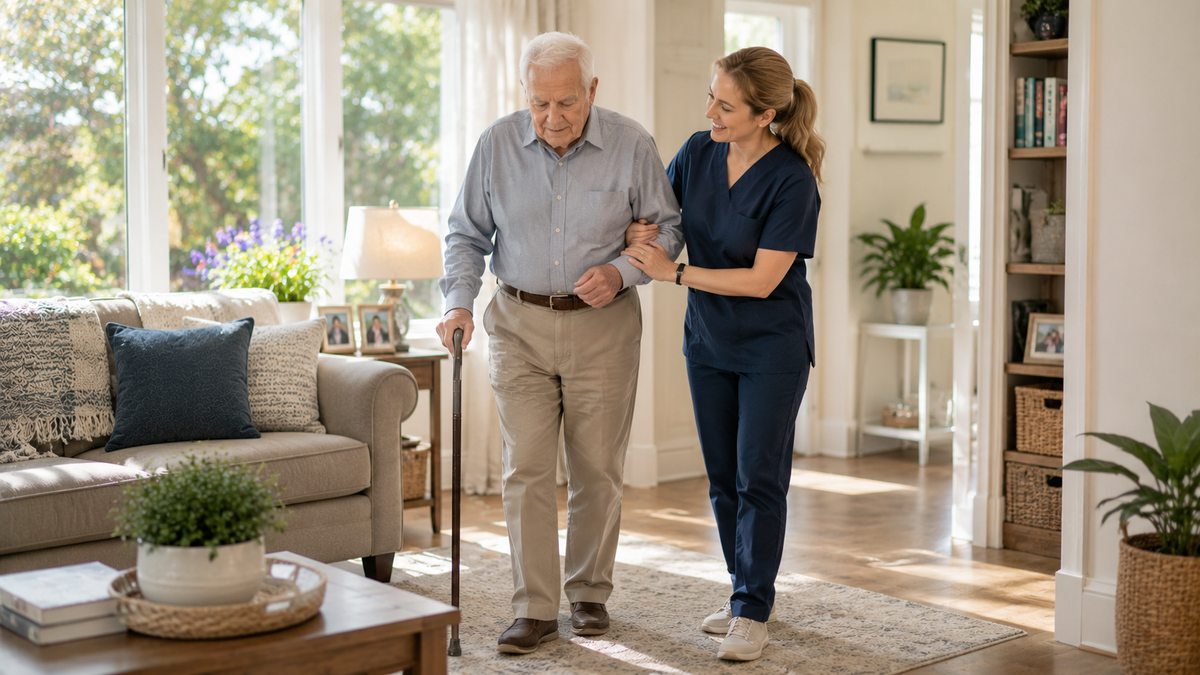
- Mobility support
- Cognitive stimulation
- Safety monitoring
- Respite care for family caregivers
Having experienced support available can help reduce stress while allowing families to spend more meaningful time together.
Caring for the Caregiver
Supporting someone with dementia can be emotionally and physically demanding.
Family caregivers should remember that asking for help is not a sign of failure. Taking regular breaks, maintaining personal health, and accessing community resources are all important parts of providing sustainable care.
Healthy caregivers are better able to provide compassionate support over the long term.
Why It Matters
Creating a dementia-friendly home is about much more than preventing accidents.
It helps preserve dignity, encourages independence, and allows individuals to continue living in familiar surroundings where memories and routines provide comfort.
With thoughtful planning, practical home modifications, and the right support, families can create an environment that promotes both safety and quality of life.
Medical Disclaimer
This article is intended for general informational purposes only and should not be considered medical advice. Readers should consult their physician or another qualified healthcare professional regarding any medical concerns, diagnosis, or treatment decisions.
About The Author
By Peachy Magistrado | WBN News - Vancouver Founder | Peachtacular Home Health Care
I believe every senior deserves compassionate, respectful care that promotes dignity, independence, and quality of life. My goal is to help families find personalized home care solutions that allow their loved ones to remain safe, comfortable, and supported in the place they call home.
🌐 Website: https://peachtacularhhc.com
Editor: Karalee Greer
Subscription to WBN and being a Contributor is Free
Sources
- Alzheimer Society of Canada – Creating a Dementia-Friendly Home
- Alzheimer Society of British Columbia – Living Safely With Dementia
- Public Health Agency of Canada – Dementia in Canada
- World Health Organization – Dementia Fact Sheet
- Government of Canada – A Dementia Strategy for Canada
Tags: #Senior Care #Home Care #Healthy Aging #Caregivers #Independent Living #WBN News - Vancouver #Peachy Magistrado #Dementia
Members Discussion