
Peachy Magistrado




By Peachy Magistrado | WBN News | September 23, 2026 Editor: Karalee Greer
Subscription to WBN and being a Contributor is Free
When someone we love gets older, changes in memory can naturally cause concern.
Families may wonder whether occasional forgetfulness is simply part of getting older or whether there is something more they should be watching.
Dementia is not a normal or inevitable part of aging. It is a term for conditions that affect memory, thinking and the ability to carry out everyday activities. Age is the strongest known risk factor, but many other factors can influence a person's risk.
Understanding those factors can help families support both brain health and overall well-being.
Some Risk Factors Cannot Be Changed
Age is one of the most important dementia risk factors.
The likelihood of developing dementia increases as people get older, particularly after age 65. Family history and genetics can also play a role.
A history of serious or repeated head injuries is another risk factor. Protecting the head and helping older adults reduce their risk of falls can therefore be important parts of healthy aging.
Having a risk factor does not mean a person will develop dementia. Risk factors increase probability; they do not determine an individual's future.
Heart Health And Brain Health Are Connected
Some dementia risk factors are things people may be able to influence.
High blood pressure, diabetes, high cholesterol, obesity and other cardiovascular concerns are associated with dementia risk. This is one reason looking after heart health is also important for brain health.
For an older adult already managing chronic health conditions, family members and caregivers can provide practical support with healthy routines and following the care plan provided by their healthcare professionals.
Movement Matters
Regular physical activity is another important part of maintaining overall and brain health.
It does not necessarily mean strenuous exercise. Depending on a person's health and mobility, walking, swimming, gardening, gentle fitness classes or other enjoyable activities can help someone remain active.
The Alzheimer Society of Canada recommends physical activity as one of several ways people can help reduce their dementia risk.
The important thing is to choose activities that are appropriate for the individual's health, abilities and interests.
Healthy Food Supports Healthy Aging
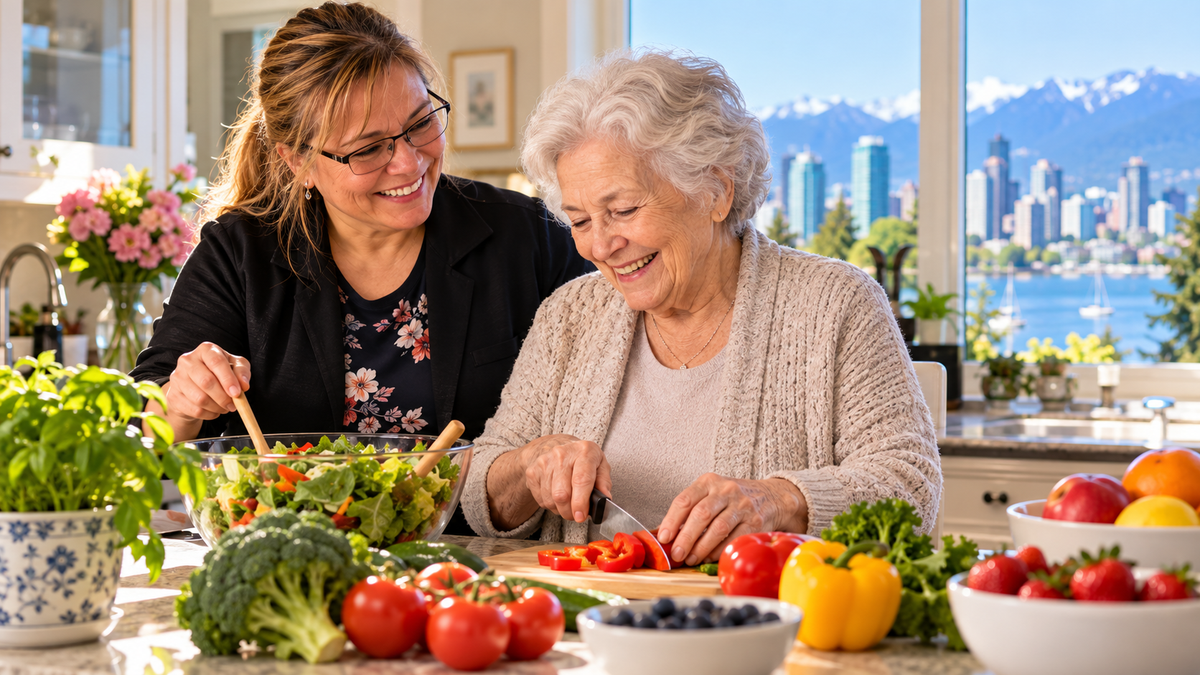
Good nutrition matters too.
An unhealthy diet can contribute to conditions such as cardiovascular disease and diabetes, which are themselves associated with increased dementia risk. A healthy, balanced diet is therefore part of looking after both the body and the brain.
Caregivers can help by making nutritious meals easier to prepare and enjoy, particularly when shopping, cooking or eating independently has become more difficult.
Staying Connected Is Important
Brain health is about more than physical health.
Social isolation and low levels of cognitive engagement have also been associated with increased dementia risk. Conversation, hobbies, learning, games, music, outings and spending time with other people can all help keep life stimulating and socially connected.
For an older adult living alone, regular visits and companionship can make these activities easier to maintain.
What Families Can Do
Supporting an aging family member does not mean trying to diagnose dementia at home.
Instead, families can pay attention to changes, encourage healthy daily routines and make it easier for their loved one to stay physically active, socially connected and engaged in life.
They can also help older adults manage existing health conditions and attend medical appointments when assistance is needed.
If memory, thinking, behaviour or the ability to manage everyday activities begins to change noticeably, a healthcare professional should assess what is happening. Dementia has many possible causes, and an appropriate medical assessment is important.
Why It Matters
Dementia can affect an entire family, but there are meaningful ways to support brain health throughout life.
In updated 2026 guidance, the World Health Organization reported that up to 45% of dementia risk may be preventable or delayable by addressing modifiable factors such as physical inactivity, social isolation, tobacco and harmful alcohol use, air pollution, high blood pressure and diabetes.
Families cannot control every risk factor, and no healthy lifestyle can guarantee that someone will not develop dementia.
But helping an older loved one stay active, eat well, manage health conditions and remain socially connected can support their health, independence and quality of life — whether or not dementia ever becomes part of their story.
About The Author
By Peachy Magistrado | WBN News Founder | Peachtacular Home Health Care
I believe every senior deserves compassionate, respectful care that promotes dignity, independence, and quality of life. My goal is to help families find personalized home care solutions that allow their loved ones to remain safe, comfortable, and supported in the place they call home.
Peachy Magistrado is the founder of Peachtacular Home Health Care, where she works with seniors and their families to provide personalized home-care support focused on dignity, independence, safety and quality of life.
Editor: Karalee Greer
Subscription to WBN and being a Contributor is Free
This article is for general information only and is not medical advice. Anyone concerned about changes in memory, thinking or behaviour should speak with a physician or qualified healthcare professional.
Sources
Peachtacular Home Health Care
Alzheimer Society of Canada
World Health Organization
Adapted from: Peachy Magistrado's Peachtacular Home Health Care blog, How to Identify Dementia and Offer Better Support.
Tags: #Senior Care #Home Care #Healthy Aging #Caregivers #Independent Living #WBN News #Peachy Magistrado #Fall Prevention
Members Discussion