The Property Signal: Jan 2026
By WBN Global Editorial Staff
Subscribe To WBN News
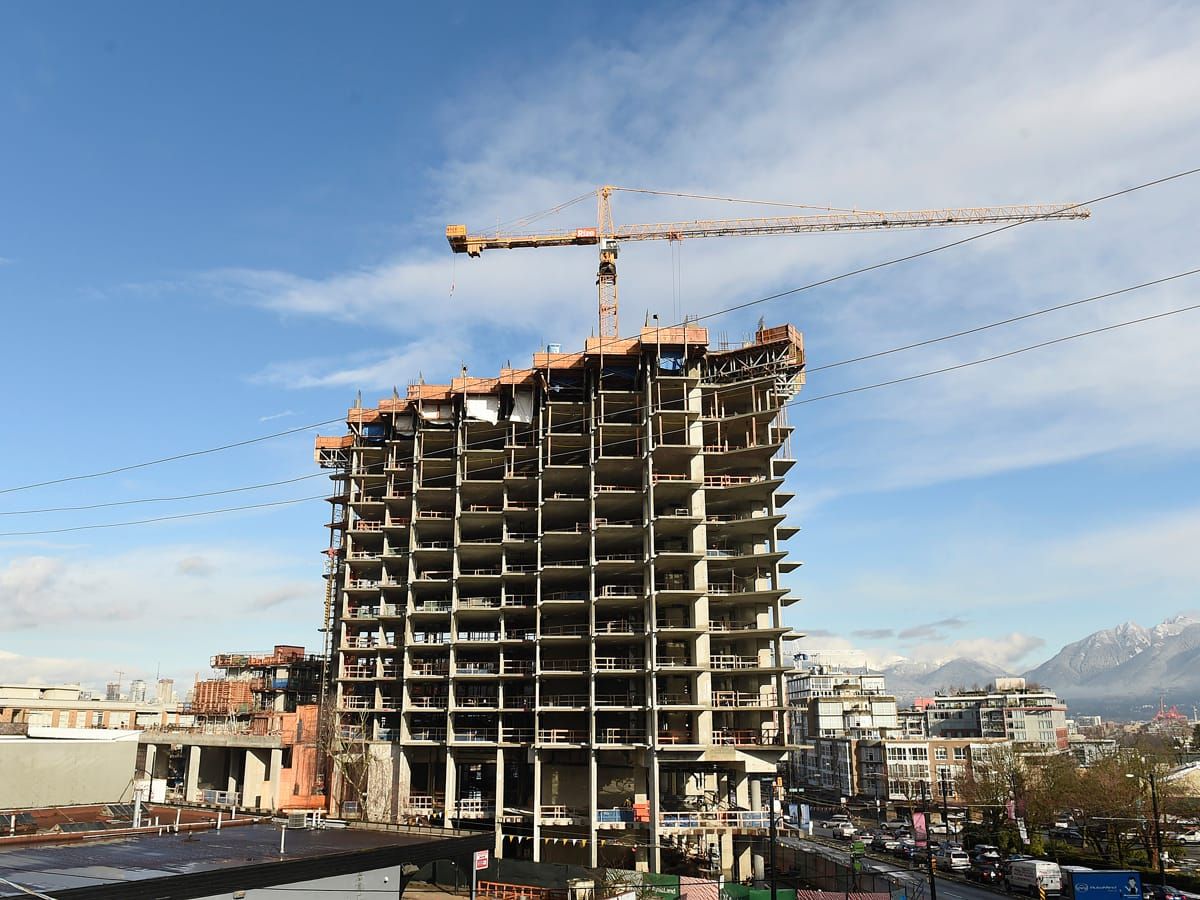
Downtown Vancouver is facing its most severe real estate correction in 24 years, with thousands of unsold condos, record office vacancies, and billions in frozen inventory signaling a structural market reset.

🎥 Watch the Full Breakdown
The video examines verified datasets, developer case studies, and macroeconomic drivers reshaping Vancouver’s real estate landscape.
📉 What’s Happening
Downtown Vancouver is experiencing its most profound real estate imbalance in more than two decades. More than 3,500 newly built condominium units are complete, empty, and unsold, marking the worst developer inventory crisis in 24 years.
On the commercial side, office vacancy has climbed to 12.6%, the highest level since 2004, with over 90 full office floors sitting completely vacant. Analysts estimate $2.5–$4 billion in unsold condo inventory, creating cascading pressure on developers, lenders, and municipal tax assessments.
🏗️ Why This Is Different
This downturn is not cyclical—it’s structural.
Investor participation, once accounting for nearly half of all presale buyers, has collapsed from roughly 50% to just 7%. Higher interest rates, assignment-sale failures, and tightened credit conditions have pushed multiple projects into distress.
High-profile developments such as CURV Tower (reportedly carrying $91.2 million in debt) and Thind Properties, with 1,700+ units tied to insolvency proceedings, illustrate the scale of financial strain now moving through the system.
🏢 Commercial Real Estate Fallout
Market intelligence from CBRE and Cushman & Wakefield shows downtown office building values have fallen between 25% and 35%, driven by:
- Tech sector contraction (Amazon, Telus, ICBC downsizing)
- Permanent hybrid and remote-work adoption
- Primary retail anchor exits, including Hudson’s Bay and Nordstrom
These shifts have weakened foot traffic, retail leasing demand, and the financial logic behind mixed-use developments.
🏠 Residential Market Stress Signals
According to data from CMHC, Rennie Intelligence, and Zonda Urban:
- Rental vacancy has reached 3.7%, the highest since 1988
- 61% of condo presale projects are now classified in the “danger zone.”
- Buyer absorption rates are at multi-decade lows
Together, these signals point to declining investor yields, stressed rental assumptions, and rising risk for mortgage holders who bought near peak pricing.
📌 Why It Matters
For homeowners, this is about equity risk and refinancing exposure.
For investors, it’s a repricing of leverage and liquidity assumptions.
For developers and lenders, it’s a balance-sheet reckoning.
Downtown Vancouver is no longer driven by scarcity—capital discipline, credit conditions, and confidence.
The Property Signal: this is not a pause. It’s a reset.
By: WBN Global Editorial Staff
Series: Signals 2026
Published: Jan 06 - 2026
TAGS: #RealEstateCrisis #VancouverRealEstate #CommercialProperty #HousingMarket #PropertySignal #WBNNews #UrbanEconomy #OfficeVacancy #CondoMarket #CanadaHousingCrisis