By Elke Porter | WBN News World Sports | February 26, 2026
Subscription to WBN and being a Writer is FREE!
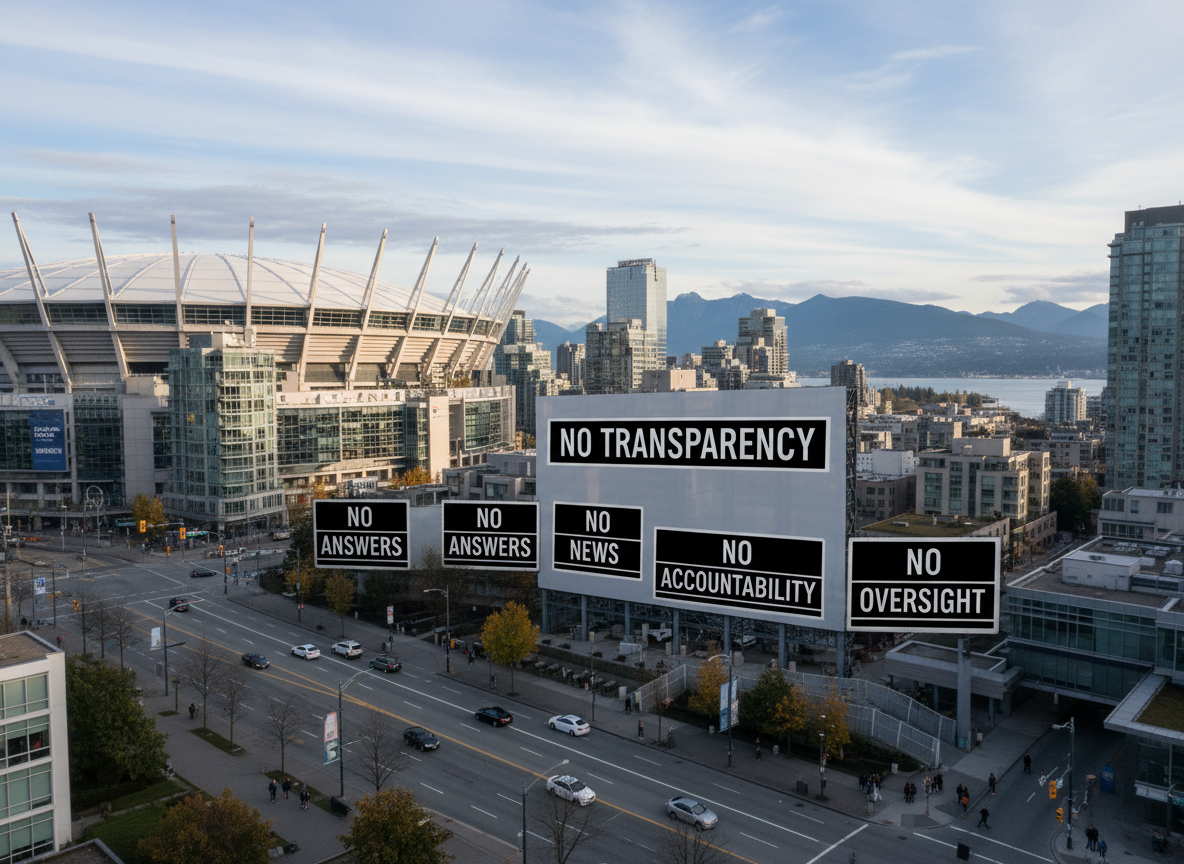
With the FIFA World Cup less than four months away, a troubling picture is emerging — not of a city ready to host the world's biggest sporting event, but of one stumbling toward it without adequate coordination, oversight, or transparency.
At a recent Vancouver City Council meeting, Councillor Bligh raised the alarm. According to reporting by veteran investigative journalist Bob Mackin — a North Vancouver-based reporter who has covered five Olympic Games and spent years scrutinizing the planning behind Vancouver 2010 through his independent outlet theBreaker.news — Bligh made clear that what's missing isn't just a committee. It's basic alignment.
Looking to Reduce Your Credit Card Fees? Click here
"It is about alignment, and alignment that I'm hearing does not exist," Bligh said, stressing that she wasn't looking to add bureaucracy but to get security and safety partners, business improvement associations, hospitality groups, and community stakeholders on the same page before the tournament begins.
The voices backing her concern were pointed. Landon Hoyt, executive director of the Hastings Crossing BIA, and Elise Yurkowski of the Gastown BIA both spoke in support, with Hoyt noting that while there have been periodic meetings between BIAs and the host committee, they have produced little in the way of answers. "Key questions about safety resources, community communication strategies and direct support for local businesses remain unanswered," he said, as reported by Mackin.
Perhaps most striking was the testimony of Chantelle Spicer of the BC Poverty Reduction Coalition, who revealed it took nearly two years for her organization to finally secure a meeting with host city committee staff — a meeting that only took place on February 21st. "It is clear that there are ways that earlier consultation and engagement with those most likely to be impacted by FIFA could have led to reduced harm," Spicer said.
That gap — between those planning the event and those who will live through it — is not a minor administrative hiccup. It is a pattern.
The contrast with Vancouver's 2010 Winter Olympics planning is stark. Whatever criticisms were levelled at that process, it included a dedicated community office and structured channels for engagement with residents, advocates, and local organizations. FIFA 2026 has had none of that. As The Mainlander has documented, public information about the event's costs, scope, and impacts has been sparse, limited largely to a celebratory website and a handful of sessions in Yaletown and Downtown.
The information blackout extends beyond advocacy groups and BIAs. In-house producers at BC Place — the people who will actually be running media operations on game days — have reportedly still not been briefed on credentials, hours, road closures, or basic logistics. This, with games beginning in June. Even members of the media who have received full-season credentials for the Vancouver Whitecaps say they have received nothing concrete about what FIFA match days will actually look like operationally.
The total cost of Vancouver's FIFA hosting has already ballooned from $230 million to $624 million, according to figures reported by The Mainlander, with the City of Vancouver on the hook for at least $261 million of that. The PNE fan zone upgrades alone have tripled in cost to $183 million. Yet as those numbers grow, public accountability seems to be shrinking.
Mayor Ken Sim has insisted that no displacement of unhoused people will occur as a result of FIFA. But as The Mainlander notes, street sweeps in the Downtown Eastside have escalated under his ABC-majority council, and newly approved bylaw amendments — implemented to comply with FIFA's requirements — hand enforcement officers additional tools to clear people from public space. The BC Poverty Reduction Coalition and other community groups have been raising these concerns for months, only to be met, until very recently, with silence.
Two hundred new surveillance cameras have been installed around BC Place, the PNE, and training grounds. Vancouver's Law Courts will be shut down entirely between June 12 and July 8. The "bubble zone" — a two-kilometre radius around BC Place — will restrict signage, vending, noise, and movement throughout the tournament period. And yet the people most affected by these changes, from BIA operators to poverty advocates to the media professionals expected to cover the games, are still waiting for answers.
Hosting a World Cup is an enormous undertaking. The failures here aren't inevitable — they're the product of a planning process that has prioritized optics over coordination, and celebration over accountability. With FIFA's Congress arriving in Vancouver on April 30 and match days beginning June 13, the clock is running out.
Reporting in this article draws on coverage by investigative journalist Bob Mackin of theBreaker.news, and on research and reporting published by The Mainlander.
Elke Porter at:
Westcoast German Media
LinkedIn: Elke Porter or
WhatsApp: +1 604 828 8788.
Public Relations. Communications. Education
Let’s bring your story to life — contact me for books, articles, blogs, and bold public relations ideas that make an impact.
TAGS: #FIFA 2026 Vancouver #Vancouver FIFA #Ken Sim #FIFA Planning #World Cup 2026 #Vancouver Politics #WBN News World Sports Edition #Elke Porter