πŸ“° Energy Intelligence Series

By WBN Energy Editorial Team | Global Edition | March 10, 2026

Hundreds of aging tankers quietly move sanctioned oil from Russia, Iran, and Venezuela outside Western regulation. If the U.S. shuts down the shadow fleet, global energy markets could face a major shock.


The Hidden Oil Network Few People See

To most observers, the global oil market appears straightforward: oil is produced, loaded onto tankers, shipped across oceans, refined, and sold.

But beneath the official system operates a parallel shipping network that has quietly become one of the most important forces in global energy markets.

Energy analysts refer to it as the β€œshadow fleet.”

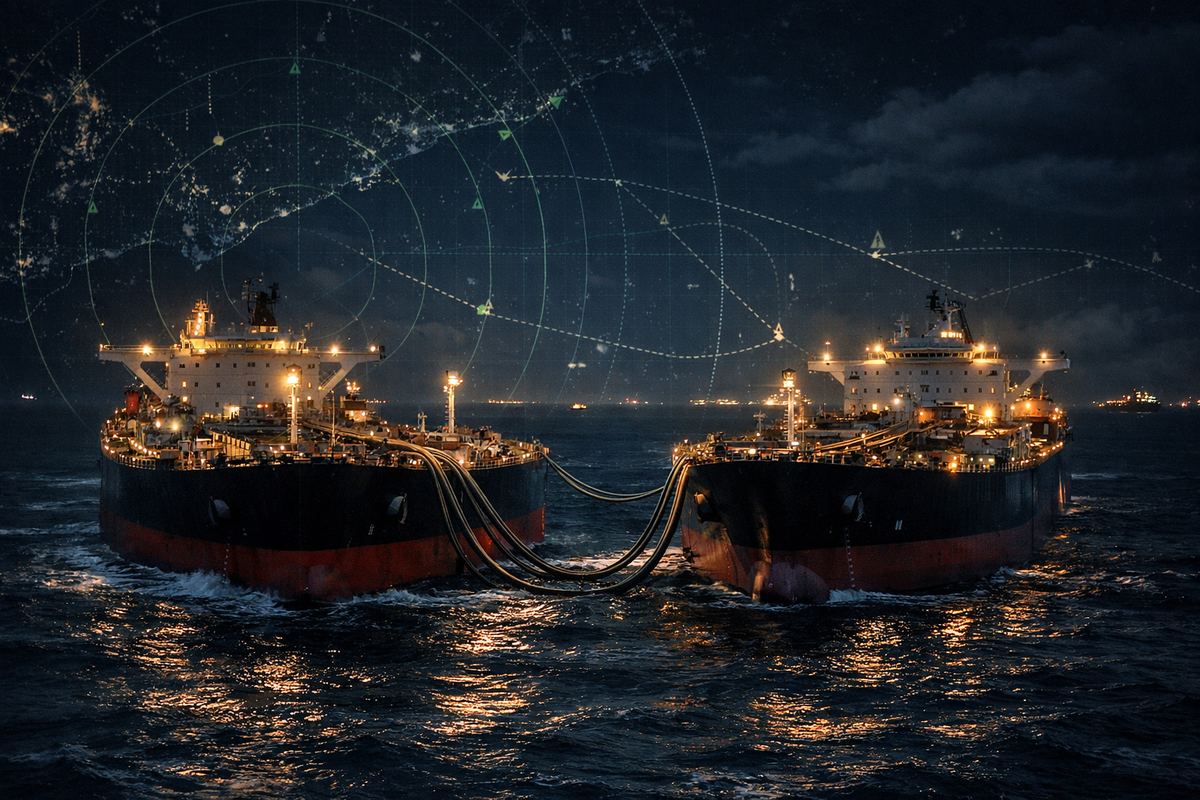
This fleet consists of aging oil tankers operating outside normal Western regulatory systems and transporting crude primarily from Russia, Iran, and Venezuela, while bypassing sanctions, insurance restrictions, and price caps imposed by the United States and its allies.

Today the system moves roughly 4 million barrels of oil per day, with additional sanctioned barrels from Iran and Venezuela traveling through similar logistics networks.

That represents roughly 4–6% of global seaborne oil trade, making the shadow fleet comparable in scale to the output of a major oil-producing nation.

If that fleet were suddenly shut down, the consequences would ripple across energy markets, inflation, and geopolitics.


What the Shadow Fleet Actually Is

The shadow fleet expanded rapidly after Western sanctions on Russian oil in 2022 following the invasion of Ukraine.

Hundreds of aging oil tankers were quietly sold to shell companies based in jurisdictions such as:

  • the United Arab Emirates
  • Hong Kong
  • offshore maritime registries

These vessels operate in ways designed to avoid regulatory scrutiny.

Typical tactics include:

β€’ sailing under flags of convenience from small maritime states
β€’ operating without Western insurance providers
β€’ turning off AIS tracking systems that normally identify ship location
β€’ conducting ship-to-ship oil transfers at sea to obscure origin
β€’ frequently changing vessel names and ownership structures

Maritime intelligence groups estimate that 700–1,400 vessels participate in shadow-fleet operations globally, although roughly 400–700 tankers carry most sanctioned crude shipments.


How Much Oil Moves Through It

The shadow fleet moves enormous volumes of oil each day.

Estimated flows include:

Russian crude and refined products
~4.0–4.1 million barrels per day

Iranian exports
~2.0–2.1 million barrels per day

Venezuelan exports
~600,000–900,000 barrels per day

Global oil demand currently sits near 102–103 million barrels per day, meaning sanctioned oil transported through shadow logistics accounts for several percent of total global supply.

That scale is why energy traders and governments monitor the fleet closely.


Why It Matters (For Business and Consumers)

The shadow fleet may sound like a geopolitical curiosity, but its effects reach directly into the global economy.

Energy prices influence almost every sector of business and consumer spending.

If the shadow fleet were disrupted, the ripple effects could include:

Fuel Prices

Oil supply disruptions can quickly push gasoline and diesel prices higher.
Even a loss of 2–3 million barrels per day, up by $10–$30 per barrel$10–$30 per barrel.

Supply Chain Costs

Shipping, trucking, manufacturing, and agriculture all depend heavily on energy.

Rising oil prices increase costs across supply chains.

Small Business Impact

Small businesses often feel the effects of energy price increases quickly through higher transportation, delivery, and operating costs.

Consumer Spending

When households spend more on fuel and transportation, they typically reduce discretionary spending elsewhere in the economy.


Coming Next

Shadow Fleet Part Two: How Sanctioned Oil Disappears at Sea

The next article in the Energy Intelligence series explores the tactics used to disguise oil shipments, including ship-to-ship transfers, AIS tracking blackouts, tanker identity swaps, and cargo blending.

These techniques allow sanctioned oil to effectively vanish and reappear with a new origin in global markets.


WBN Energy Editorial Team
World Business News – Global Edition


TAGS: #Energy Markets #Oil Trade #Shadow Fleet #Global Energy #Shipping Industry #Geopolitics #WBN News

Share this article
The link has been copied!