By: Joseph James Udoh | Columnist | WBN NEWS Africa / Nashville | June 9, 2026

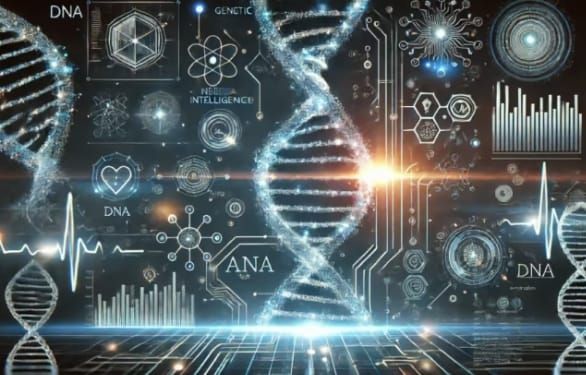
Artificial intelligence is transforming genomics, opening new possibilities for understanding disease, improving treatments, and accelerating medical breakthroughs. As genomics focuses on studying an organism’s complete DNA, researchers are now generating enormous amounts of genetic information often more than 200 gigabytes for a single human genome. Traditional analysis methods struggle to process such vast datasets efficiently, making AI an essential tool in modern genomic research.

One of the most significant contributions of AI is its ability to rapidly analyze genetic data and identify patterns that would otherwise remain hidden. By processing complex genomic datasets, AI helps scientists uncover disease-causing mutations, assess health risks, and develop more personalized treatment strategies. This advancement is bringing precision medicine closer to reality, where healthcare can be tailored to an individual’s unique genetic profile.

AI is also revolutionizing drug discovery. Developing a new medicine has traditionally required years of research and billions of dollars in investment. Today, AI can predict promising gene targets, model drug-gene interactions, and identify potential side effects much earlier in the development process. In the field of rare diseases, AI-driven genomic analysis has helped researchers identify genetic mutations linked to conditions such as Wilson disease and design therapeutic candidates aimed at addressing the underlying causes. Similar approaches have revealed more than 1,600 potential drug targets across rare metabolic, neurological, and ophthalmological disorders.

Advanced AI models are also improving the understanding of RNA regulation and genetic variation. By predicting how specific genetic changes affect biological processes, these systems help researchers design targeted therapies that can correct disease-causing mechanisms more effectively than traditional approaches.

Beyond individual treatments, AI is enabling large-scale genomic research. National programs such as the UK Biobank are using AI to analyze genomic and health information from hundreds of thousands of participants, helping researchers identify genetic markers associated with common diseases and improve public health planning. These capabilities are also strengthening pandemic preparedness, vaccine development, and global health surveillance.

“AI is now a key driver in genomics, enabling precision medicine, faster drug discovery, and improvements in global healthcare.”
“AI is the key to turning raw genetic data into actionable knowledge.”

As AI technologies continue to evolve, their integration with genomics, proteomics, metabolomics, and other biological sciences promises a deeper understanding of human health. With responsible governance, strong data protection, and ethical oversight, AI-powered genomics offers hope for a future where diseases can be detected earlier, treated more precisely, and prevented more effectively than ever before.

TAG: #AI #Genomics #Health Care #Medicine #Research #Biotech #Innovation #WBN #Africa Edition #WBN News #WBN News Africa #Joseph James Udoh


Joseph James Udoh is the Editor in Chief for WBN News Africa.
He covers local stories, business insights, and inspiring human-interest topics.

With a background in Computer Science, Theology/Intercultural Studies, and a Honorarium in Human Resource Management, he is passionate about digital empowerment and helping people thrive.

CONNECT:
🔗 LinkedIn: Joseph James Udoh

📧 Email:
kingjworld@gmail.com

▶️ YouTube Channel:

Joseph James Udoh
•Actor 🎬 •Columnist for World Business Network (WBN) NEWS (Africa, and Nashville edition)
Share this article
The link has been copied!