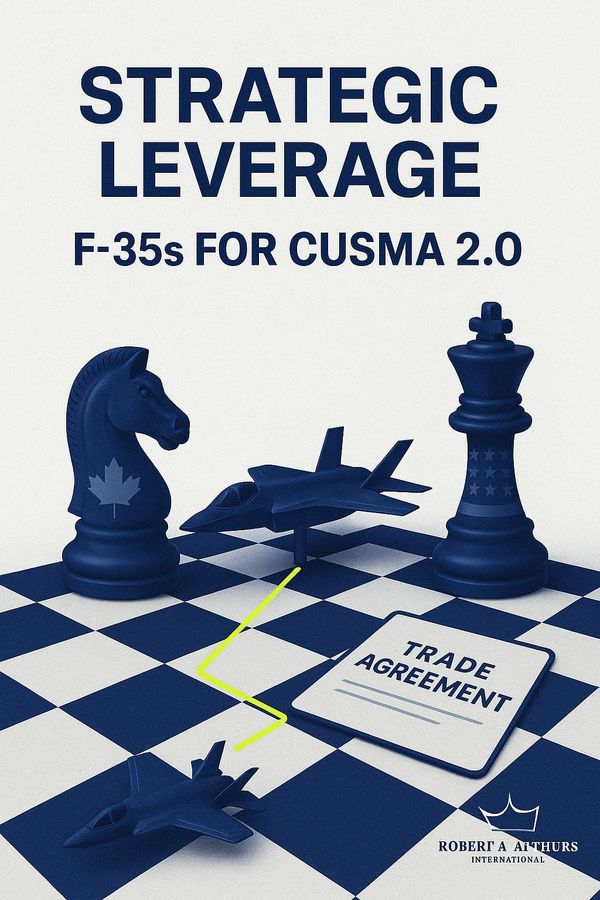
I believe the unpredictability of the current U.S. leadership is a key factor in why it's difficult to fully rely on the stability of the CUSMA agreement or any future trade agreements under the United States.
The most successful business leaders I work with aren't abandoning email—they're becoming strategically selective about when to use it versus more immediate channels.
The most successful business leaders I work with aren't abandoning email—they're becoming strategically selective about when to use it versus more immediate channels.
I believe the unpredictability of the current U.S. leadership is a key factor in why it's difficult to fully rely on the stability of the CUSMA agreement or any future trade agreements under the United States.
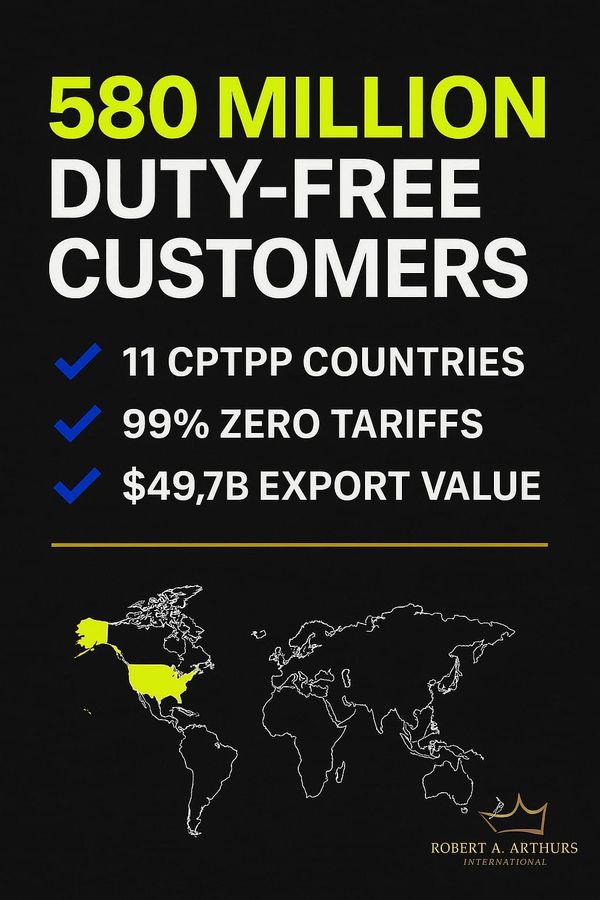
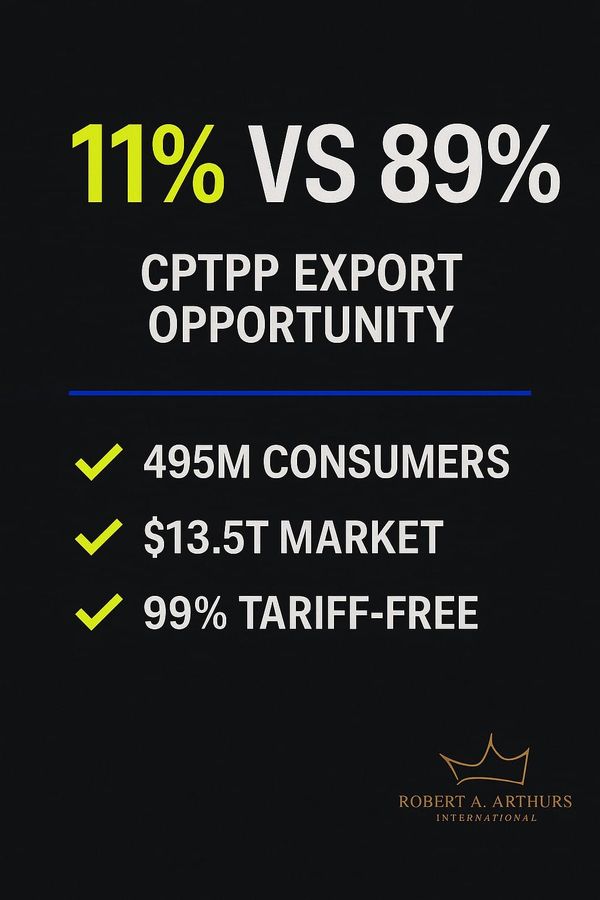
I just met with a Vancouver manufacturer who doubled their revenue in 6 months once they shifted from costly U.S. exports to CPTPP markets. They're now selling to Japan with no tariffs, where their competitors face 15% duties.
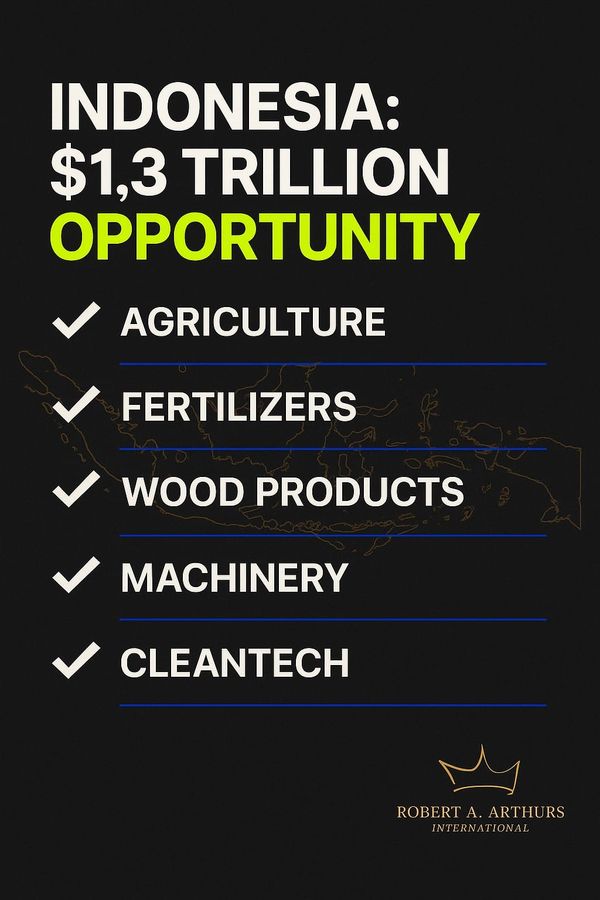
The recently concluded Canada-Indonesia Comprehensive Economic Partnership Agreement (CEPA) will eliminate tariffs on 95% of Canadian exports to a nation of 279.5 million people with a $1.32 trillion GDP.
While large corporations navigate complex trade rules with ease, small businesses face overwhelming barriers: regulatory complexity, limited resources, and poor awareness of how to leverage these agreements effectively.
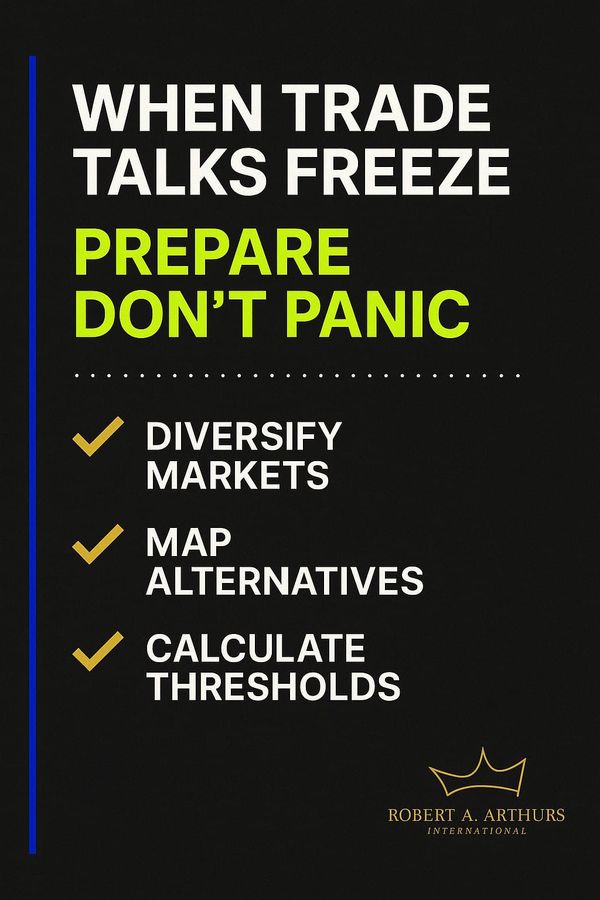
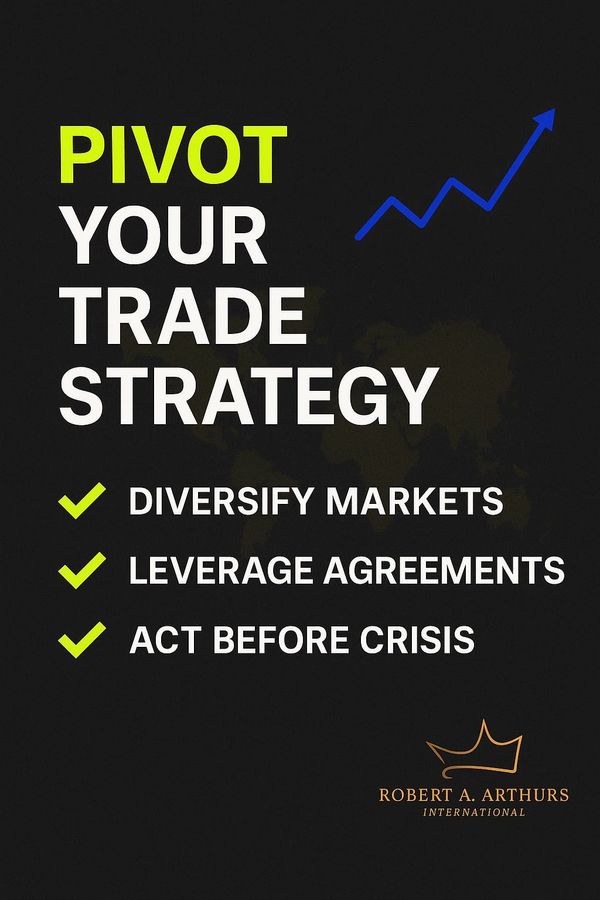
The numbers don't lie. With US-Canada trade tensions escalating and near-universal tariffs threatening in 2025, most Canadian businesses are freezing operations and hoping for the best. That's exactly the wrong move.
FIGHTER JETS FOR TRADE RELIEF? The strategy behind Canada's biggest negotiation play:
Prime Minister Carney's recent Washington trip wasn't just a courtesy call—it was a strategic opening move on the North American trade chessboard.