By Elke Porter | WBN News World Sports | January 22, 2026
Subscription to WBN and being a Writer is FREE!

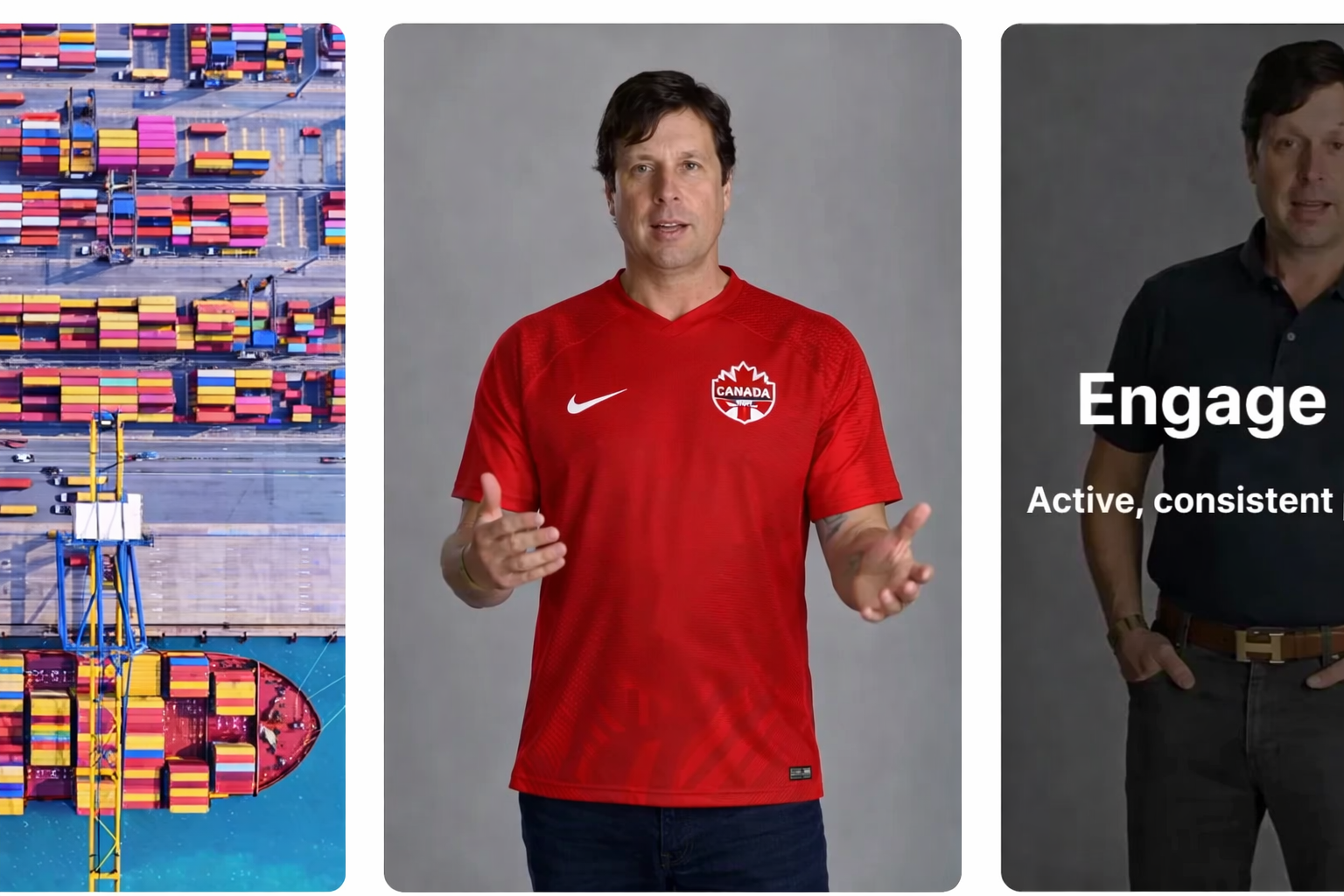
Rob Arthurs, a seasoned Vancouver business leader, certified coach, and veteran of the 2010 Winter Olympics where he served as Manager of Procurement & Business Opportunities for the Vancouver 2010 Olympics Secretariat, recently offered his extensive expertise to help prepare local businesses for the upcoming FIFA events. Despite delivering 253 procurement training workshops that facilitated over $1 billion in contracts for Canadian firms during the Olympics—emphasizing the need for a "business as unusual" 24/7 mindset—his services were declined due to funding constraints.

As Vancouver gears up for the 76th FIFA Congress on April 30, 2026, at the Vancouver Convention Centre, followed by seven FIFA World Cup 2026™ matches at BC Place from June 13 to July 7—including Canada versus Qatar on June 18 Canada vs. Switzerland on June 24 and other high-stakes group stage fixtures—many residents remain unaware of the impending transformation of their city into a global soccer hub.

The FIFA World Cup stands as the world's largest single-sport event by global engagement. FIFA projects around 6 billion people will interact with the 2026 tournament through broadcasts, streaming, highlights, or other means, surpassing even the Olympics in cumulative reach. The 2022 World Cup already engaged about 5 billion viewers, with the final drawing over 1.5 billion.

Soccer's universal appeal and the tournament's focused, month-long format create unmatched peak excitement, especially in football-passionate regions. In contrast, the Summer Olympics typically attract 3–5 billion cumulative viewers across diverse sports, while the Winter Games draw fewer.

Planning timelines reflect vastly different scopes and organizational scales. Vancouver secured the 2010 Winter Olympics bid on July 2, 2003, with the Games held February 12–28, 2010—about 6.5 years later. Intensive preparations ramped up in the mid-2000s, including major infrastructure like venues, the athletes' village, Whistler upgrades, and transportation, requiring billions in investment and a dedicated organizing committee (VANOC) that peaked with over 25,000 volunteers plus thousands of paid staff and contractors. Visible city mobilization began early to meet construction deadlines and community needs.

The 2026 World Cup differs significantly. Hosts were selected in 2018, with Vancouver leveraging mostly existing facilities—primarily BC Place upgrades and the UBC National Soccer Development Centre—rather than new builds. Coordination falls largely to FIFA, Canada Soccer, provincial, and federal partners, focusing on operations, security, fan zones, volunteers, and inclusivity.

Unlike the Olympics' expansive structure, preparations are managed by a lean 11-member FIFA World Cup 2026 Secretariat operating quietly from Vancouver City Hall as the central local hub. This small team has maintained a low public profile, with details emerging mainly through investigative reporting by journalist Bob Mackin. The contrast to VANOC's massive workforce explains why activity feels subdued to many observers despite steady progress on match schedules, team confirmations, and business resources.

Public awareness in Vancouver lags despite the potential for a "magical platform" of talent, international stars, and economic bliss. The FIFA Congress, convening representatives from 211 member associations and around 1,600 delegates, is expected to ignite the major PR push, generating substantial hotel occupancy and media exposure. The official FIFA Fan Festival at the PNE Amphitheatre from June 11 to July 19 will feature live match broadcasts, entertainment, and cultural celebrations against Vancouver's mountainous backdrop, further amplifying excitement. A concurrent web/tech summit may integrate World Cup-themed events.

Leadership contrasts underscore the differences. Former Mayor Gregor Robertson was highly visible during the final 2010 Olympics push as host mayor amid peak activity. Current Mayor Ken Sim has voiced enthusiasm, attending FIFA events, proclaiming "Soccer Day," and prioritizing public safety, housing, and readiness amid ongoing city challenges. However, fiscal realities, the decentralized FIFA model with limited municipal control, and a smaller local team result in a less prominent mayoral profile compared to the Olympics era.

As the Congress and the World Cup approaches, businesses and residents should prepare for hospitality, retail, tourism, and export opportunities. Vancouver's hosting role promises to deliver a vibrant showcase of soccer excellence and global connectivity as best they can in this lean market with razor thin margins. Go Canada!

Elke Porter at:
Westcoast German Media
LinkedIn: Elke Porter or
WhatsApp:  +1 604 828 8788.
Public Relations. Communications. Education

Let’s bring your story to life — contact me for books, articles, blogs, and bold public relations ideas that make an impact.

TAGS: #FIFA World Cup 2026 #Vancouver 2026 #FIFA Congress #World Cup Vancouver #FIFA vs Olympics #BC Place 2026 #WBN News World Sports Edition #WBN News Vancouver #WBN News Canada #Elke Porter

Share this article
The link has been copied!