By WBN Breaking News Team | March 9, 2026
đź“° Breaking News Update
Global oil markets surged sharply early Monday as traders reacted to escalating tensions in the Middle East and fears that the Strait of Hormuz—one of the world’s most critical oil shipping corridors—could face prolonged disruption.
During early Asian trading hours, Brent crude spiked by as much as 25%, reflecting immediate market anxiety over potential supply interruptions tied to the conflict involving Iran.
Looking to Reduce Your Credit Card Fees? Click here
According to comments from Bloomberg energy reporter Stephen Stapczynski, the surge occurred within hours of markets opening in Asia.
“You saw prices surge about 25%… markets remain acutely anxious,” Stapczynski said during a Bloomberg Television segment.
Prices later eased slightly after reports that G-7 nations may be preparing a coordinated release of strategic petroleum reserves to stabilize global energy markets.
However, crude prices remain dramatically higher than last week.
Just days ago, Brent oil traded near $70 per barrel. Early Monday trading pushed prices toward the $90–$100 range, underscoring the scale of the geopolitical shock.
Why the Strait of Hormuz Is Critical
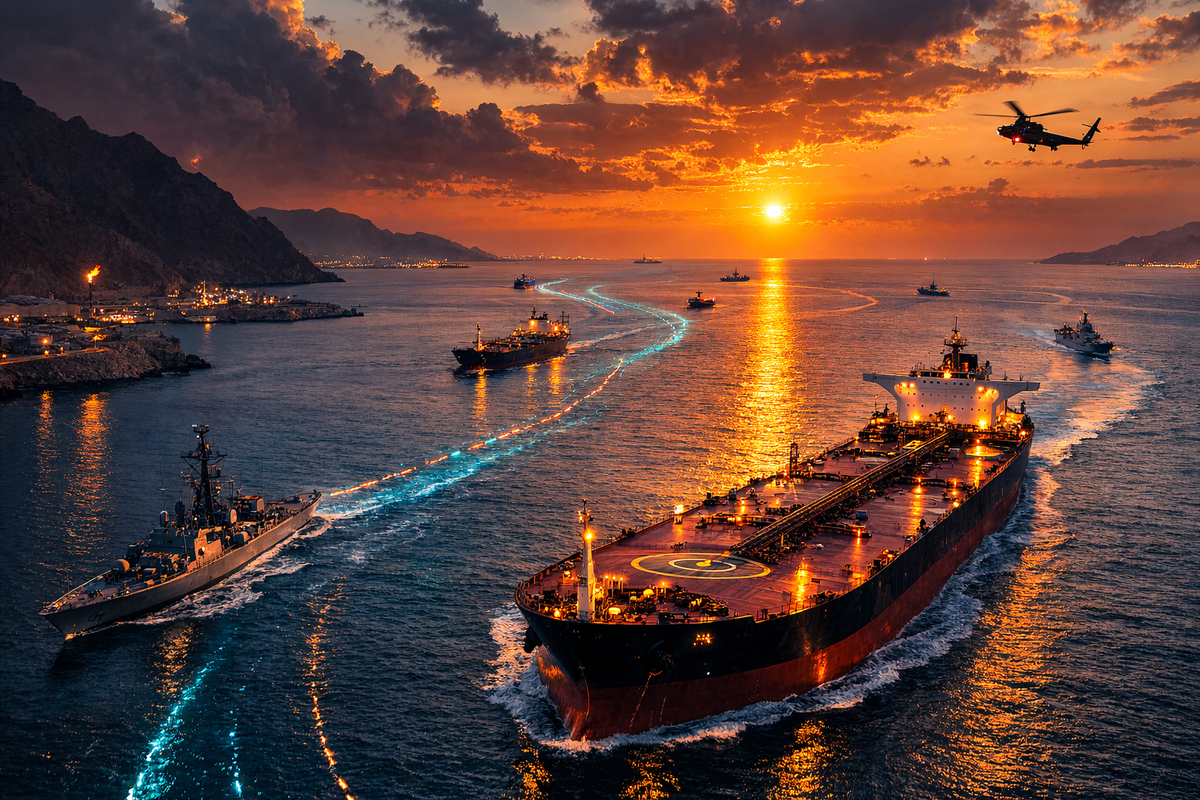
The immediate concern centers on the Strait of Hormuz, the narrow maritime corridor between Iran and Oman that connects the Persian Gulf to global shipping lanes.
Approximately 20% of the world’s seaborne oil and refined fuel products move through the strait, making it one of the most strategically important energy chokepoints on the planet.
If shipping through the waterway slows or stops, the impact would ripple quickly across global markets.
Potential consequences include:
- Sharp increases in oil prices
- Higher shipping insurance costs
- Refinery shortages in Asia
- Rising fuel costs for consumers
Stapczynski noted that South and Southeast Asian countries are particularly exposed, as many rely heavily on Middle Eastern crude shipments passing through Hormuz.
Strategic Reserves May Be Used
To calm markets, governments may deploy emergency energy reserves.
Reports cited by Bloomberg and the Financial Times suggest G-7 members are discussing a coordinated release of strategic petroleum reserves.
These reserves are maintained by major economies—including the United States and Japan—to stabilize supply during major disruptions.
Japan has already seen pressure from domestic refiners urging the government to release reserves if supply problems worsen.
Historically, these interventions work best when multiple countries act together, which is why coordinated action among G-7 nations is being discussed.
Markets Fear Prolonged Conflict
The sharp price reaction reflects deeper uncertainty.
Energy traders are attempting to price in the possibility that a conflict involving Iran could expand or continue for an extended period, leaving oil shipping routes vulnerable.
As long as the risk to the Strait of Hormuz remains unresolved, analysts expect energy market volatility to remain elevated.
Why It Matters
Higher oil prices ripple through the entire global economy.
For businesses and consumers, rising crude prices typically lead to:
- Higher gasoline and diesel costs
- Increased transportation and shipping prices
- Upward pressure on inflation
- Potential central bank policy responses
If oil prices remain elevated for weeks rather than days, economists warn that the surge could reignite inflation concerns worldwide.
Watch List – Developing Energy Stories
- G-7 meeting on potential strategic reserve release
- Shipping insurance rates in the Persian Gulf
- Asian refinery supply disruptions
- Iran conflict escalation risks
- Global oil demand response
WBN Breaking News Team
World Business News (WBN)
Email: news@wbnn.news
TAGS: #Breaking News #Breaking News Team #Oil Markets #Energy Crisis #Strait Of Hormuz #Middle East Conflict #Global Economy #Inflation Risk #Energy Security