Wendy S. Huffman | WBN News Nashville | March 3, 2026

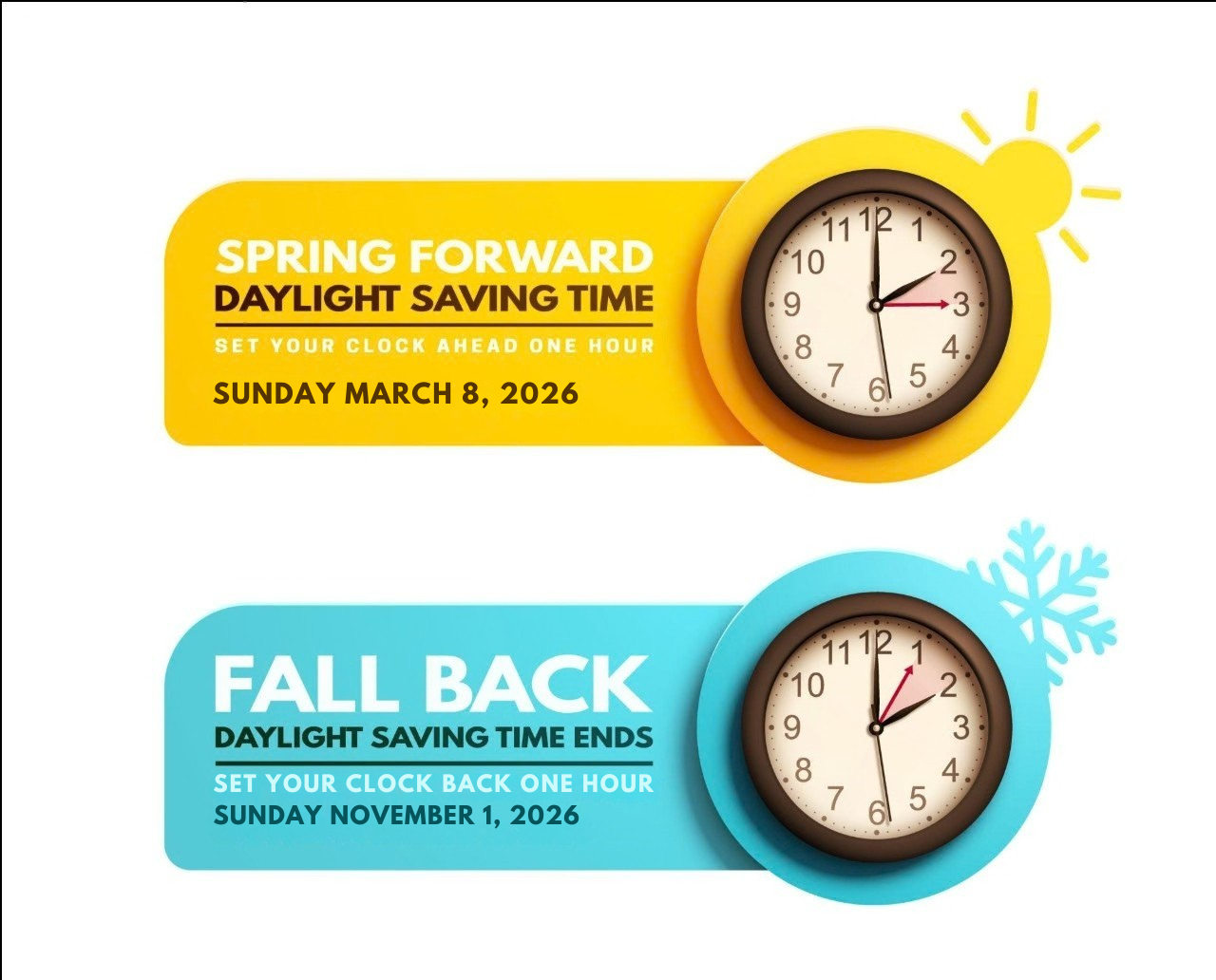
The province will eliminate seasonal clock changes after March 8, marking its final time shift.

While lawmakers in the United States continue to debate whether to make daylight saving time permanent nationwide, some jurisdictions have already done so. Arizona (excluding the Navajo Nation) and Hawaii do not observe seasonal clock changes, choosing instead to remain on a consistent time year-round.

Now, British Columbia is set to join this group of jurisdictions by eliminating the biannual time shift after March 8, 2026.

The provincial government announced that March 8 will be the final “spring forward” adjustment. After that date, clocks will remain on daylight saving time (UTC-7) throughout the year and will not “fall back” in November as previously scheduled.

Officials framed the move as the result of widespread public input and a desire to reduce disruptive clock changes that affect households, schools, employers, and cross-border activity. Government leaders have said the decision responds to a strong public preference for ending the twice-annual changes and could bring greater consistency to daily life.

What’s Changing

  • March 8, 2026: Last scheduled “spring forward” clock change
  • November 2026: No “fall back” adjustment
  • 2026 onward: Permanent observance of current daylight saving time (UTC-7)

British Columbia’s decision places it among a growing set of jurisdictions rethinking the value of seasonal time changes. In the United States:

  • Arizona has observed permanent standard time since 1968, choosing not to adopt daylight saving time except within the Navajo Nation.
  • Hawaii does not observe daylight saving time, maintaining a consistent time throughout the year.

Several U.S. states have passed legislation supporting year-round daylight saving time, but full implementation would require federal approval to change national timekeeping standards.

Business groups have noted that eliminating seasonal time changes can reduce scheduling disruptions and operational complexity, especially for companies with international ties or remote workforces. For organizations with operations, clients, or partners in Canada and Arizona, the move may prompt adjustments to scheduling systems beginning in late 2026.

TAGS: #British Columbia Policy #Daylight Saving Time #Business Impact #Government News #Time Zone Change #North American Scheduling

Related Story: https://www.wbn.digital/one-last-spring-b-c-ditches-time-change-for-good/

Aspiring writers and passionate voices are invited to join the contributor community and help shape stories that matter. Subscribe and/or become a contributor here.

Wendy Huffman is the Editor of WBN News Nashville and Africa Editions, where she brings the fun back to journalism—covering everything from local buzz and bold business insights to the stories that move hearts and minds. Her leadership of the Africa Edition stems from her deep commitment to the continent through LetsMakeTheDifference.org, the international nonprofit she founded to empower and uplift underserved communities. 

Connect with Wendy on Linkedin.com/in/wendyhuffman

Sources: Government of British Columbia
https://news.gov.bc.ca/releases/2026AG0013-000209

Official Announcement Video
https://www.youtube.com/watch?v=upEasdN8tVE


Share this article
The link has been copied!