By: Joseph James Udoh | Columnist | WBN NEWS Africa / Nashville | May 17, 2026

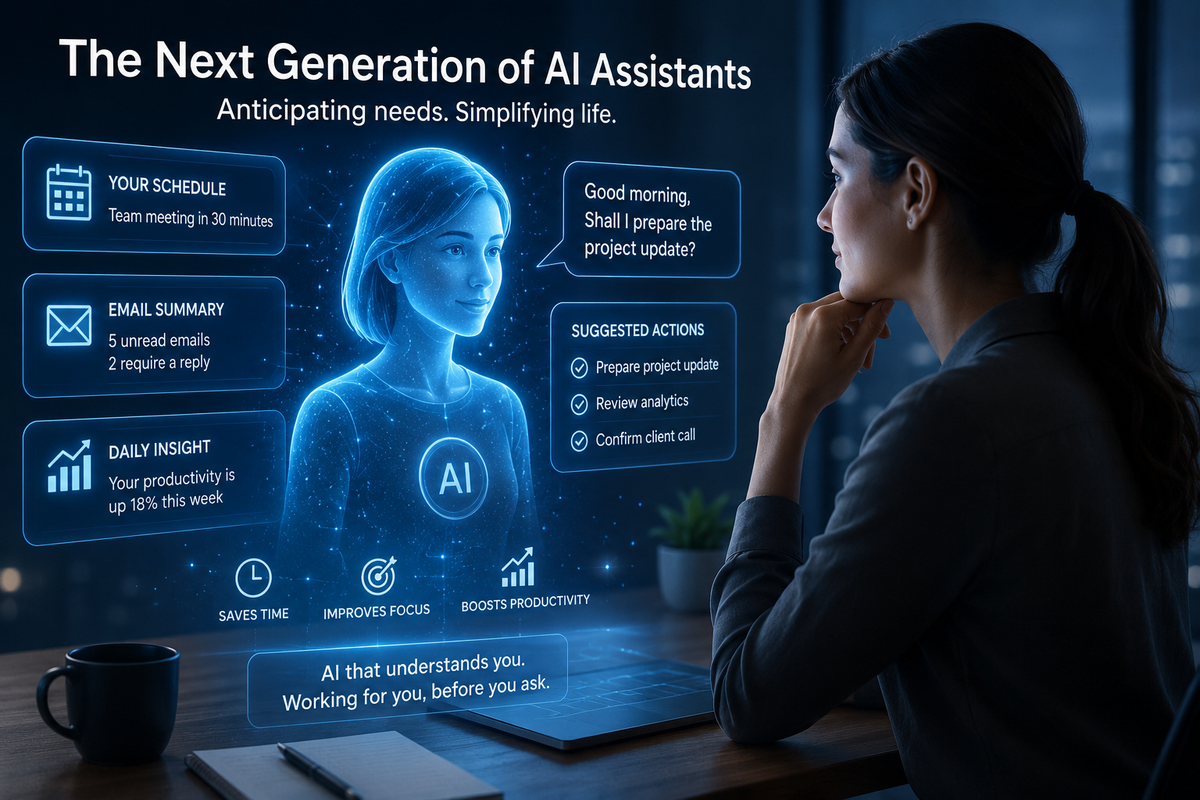
Artificial intelligence may soon move beyond simply responding to prompts and begin anticipating what users need before they even ask. That is the future envisioned by senior leaders at Anthropic, one of the fastest-growing companies in the global AI race.

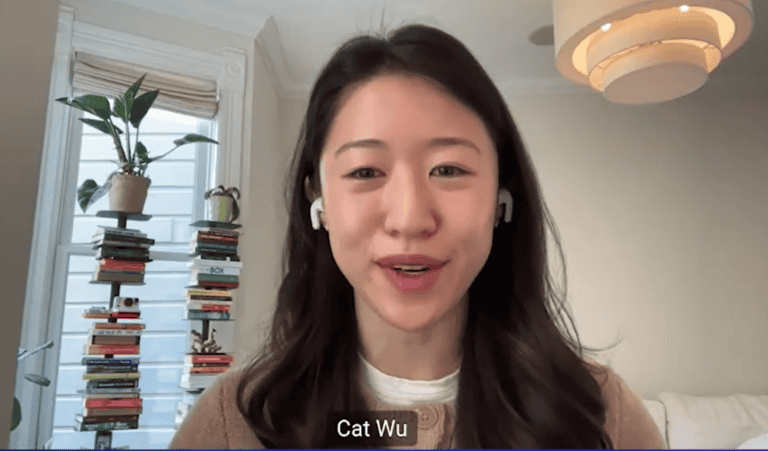
Cat Wu, the company’s head of product for Claude Code and Cowork, recently suggested that future AI assistants could become far more proactive. Instead of waiting for instructions, these systems may eventually prepare information, recommend actions, and initiate tasks based on context, habits, and behavioural understanding.

Wu explained that AI is moving toward systems capable of “predicting user intentions,” signaling a major shift away from today’s largely prompt-driven chatbot experience. The comments offer insight into how leading AI firms believe intelligent assistants could evolve in the coming years.

The vision reflects a wider industry trend. Companies including OpenAI, Google, and Meta are investing heavily in AI agents designed to manage increasingly complex workflows with minimal human direction. The goal is to create assistants that can save time, simplify work, and help people navigate growing digital demands more efficiently.

Anthropic has emerged as one of the strongest challengers in the AI sector through its Claude family of models, particularly in enterprise and coding applications. Industry reports cited by TechCrunch suggest the company has gained significant momentum among business users over the past year.

Still, the idea of anticipatory AI raises important conversations about privacy, consent, and user control. Systems that can predict intentions would require deeper awareness of routines and preferences, an area that continues to attract global scrutiny as AI becomes more integrated into everyday life.

Even so, many within the technology sector believe proactive AI could unlock major benefits across education, healthcare, productivity, and communication by reducing friction and helping users focus on more meaningful tasks.

As AI development accelerates, the industry appears increasingly focused on building assistants that do more than answer questions. The next generation of AI may aim to understand people more naturally, support them more effectively, and quietly improve everyday life before help is even requested.

“Future AI systems are expected to become increasingly proactive.”
“AI assistants may eventually evolve into systems capable of preparing information and initiating tasks before users explicitly request them.”
“The industry is moving towards assistants designed not just to answer questions, but to act before the question is asked.”

TAG: #AI #Anthropic #Claude #Technology #Open AI #Digital AI #Innovation #WBN #Africa Edition #Joseph James Udoh


Joseph James Udoh is the Editor in Chief for WBN News Africa.
He covers local stories, business insights, and inspiring human-interest topics.

With a background in Computer Science, Theology/Intercultural Studies, and a Honorarium in Human Resource Management, he is passionate about digital empowerment and helping people thrive.

CONNECT:
🔗 LinkedIn: Joseph James Udoh

📧 Email:
kingjworld@gmail.com

▶️ YouTube Channel:

Joseph James Udoh
•Actor 🎬 •Columnist for World Business Network (WBN) NEWS (Africa, and Nashville edition)
Share this article
The link has been copied!