
Peachy Magistrado




By Peachy Magistrado | WBN News | November 26, 2026 Editor: Karalee Greer
Subscription to WBN and being a Contributor is Free
Meaningful conversations, shared experiences and regular visits can enrich the lives of older adults while strengthening relationships across generations.
As the holiday season approaches, many families throughout Vancouver and the Lower Mainland are busy making plans, shopping for gifts and preparing for family gatherings. Yet for many older adults, the most meaningful gift may not be something that can be wrapped and placed beneath a Christmas tree. It may simply be the opportunity to spend time with the people they love.
We sometimes underestimate the role we play in the lives of our aging loved ones. A visit, a telephone conversation or an afternoon spent sharing memories may seem like a small gesture, but these moments can bring comfort, happiness and a renewed sense of belonging. Equally important is recognizing that these relationships enrich our own lives, offering opportunities to learn from another generation and strengthen the bonds that connect us.
Giving Seniors Something to Look Forward To
As people grow older, their daily routines often change. Retirement, reduced mobility, the loss of friends or a spouse, and health challenges may gradually limit opportunities for social interaction. For someone who spends much of their time alone, knowing that a family member or friend will be visiting can bring a welcome sense of anticipation.
According to Statistics Canada, 9.2 per cent of Canadians aged 65 and older reported feeling lonely always or often during the fourth quarter of 2024, while another 34.3 per cent reported sometimes feeling lonely. These findings remind us that loneliness is a reality for many older Canadians, even when they appear comfortable and well cared for.
Establishing a regular routine of visits can help create positive experiences throughout the week. Sunday lunch, a Wednesday afternoon coffee or a Saturday walk through the neighbourhood can become meaningful occasions that both generations look forward to. What matters most is not the complexity of the activity but the consistency and sincerity behind it.
Creating Memories That Last Across Generations
Every family has stories, traditions and experiences that deserve to be remembered. Older adults often carry a wealth of personal history, including memories of childhood, immigration, careers, family celebrations and significant events that younger generations may know little about. Spending time together creates opportunities for these stories to be shared and preserved.
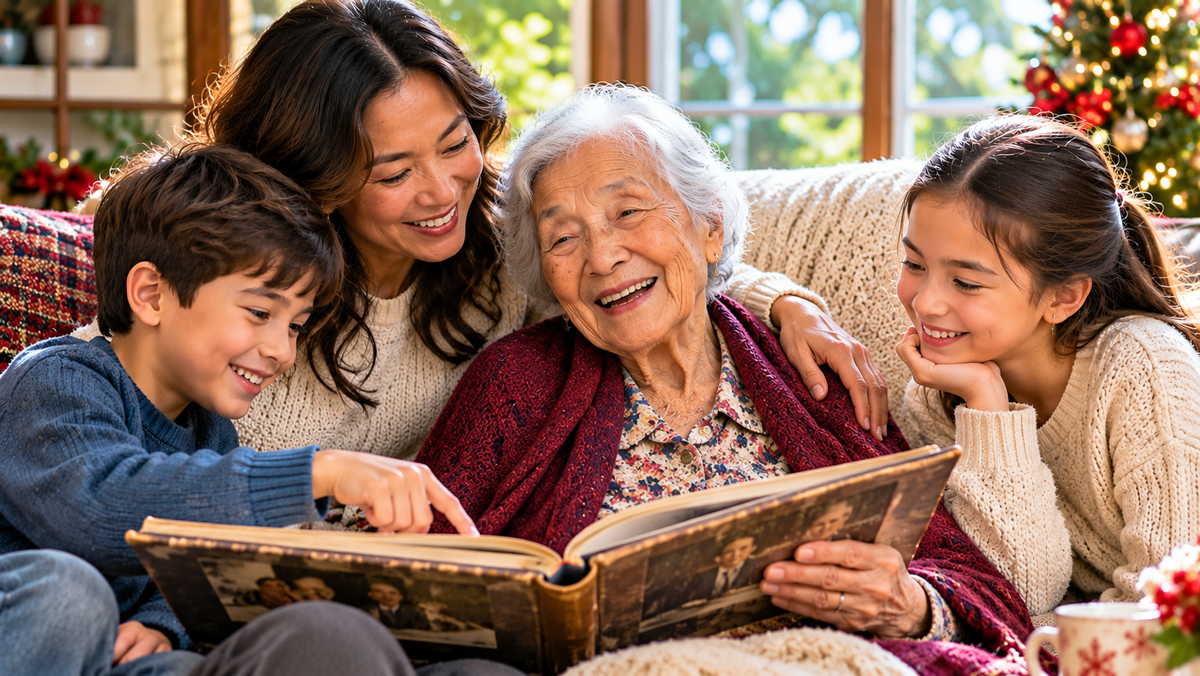
Looking through old photographs, preparing a favourite family recipe or listening to music from an earlier era can encourage conversations that might not otherwise happen. Grandchildren can learn about their family's heritage, while grandparents have an opportunity to pass along knowledge, experiences and traditions that have shaped their lives.
Simple activities can also create new memories. Sharing a meal, playing cards, watching a favourite television program or enjoying an outing to a local park can become treasured experiences. These moments are valuable not only because of what we remember later but because of the happiness and connection they bring today.
Helping Older Adults Feel Valued and Needed
Receiving care should never mean losing one's sense of purpose. Older adults continue to have knowledge, opinions, abilities and experiences that can contribute meaningfully to family and community life. However, when others begin taking over responsibilities without consultation, seniors may gradually feel less involved in decisions that affect them.
Families can help by asking for advice, seeking opinions and inviting older relatives to participate in everyday activities. A grandparent who enjoys cooking might help plan a family dinner, while someone with gardening experience could teach a younger family member how to grow vegetables or care for plants. Even when physical limitations prevent someone from completing a task independently, their knowledge and participation remain valuable.
At Peachtacular Home Health Care, we believe that supporting dignity means recognizing what individuals can contribute, rather than focusing exclusively on what they need help with. Every person deserves to feel that their presence matters and that they remain an important part of the lives of those around them.
The Connection Between Relationships and Emotional Well-Being
Human beings need meaningful social connections throughout their lives. Growing older does not diminish the desire to feel loved, understood and included, although changing circumstances can make maintaining those connections more challenging.
The World Health Organization's 2025 report on social connection highlights the importance of supportive relationships to physical health, mental well-being and overall quality of life. Its findings reinforce the value of creating opportunities for older adults to remain socially engaged, whether through family relationships, friendships, community activities or shared interests.
Regular contact with family members can provide emotional reassurance and opportunities to talk about concerns. Spending time together may also help families recognize changes in a loved one's mood, behaviour or daily routines that might otherwise go unnoticed.
While companionship and affection can provide meaningful emotional support, they are not substitutes for professional mental health care. If an older loved one experiences persistent sadness, withdrawal, hopelessness or a loss of interest in previously enjoyed activities, families should encourage them to speak with an appropriate healthcare professional.
When Families Live Far Apart
Throughout the Lower Mainland, many families have relatives living in other provinces or countries. Work commitments, transportation challenges and geographical distances can make frequent in-person visits difficult, but meaningful relationships can still be maintained through thoughtful and consistent communication.
Scheduled telephone calls, video conversations, handwritten letters and shared family photographs can help older adults remain involved in everyday family life. Grandchildren might send drawings, share news about school or record short messages about their activities. These small gestures allow grandparents to participate in important moments even when they cannot be physically present.
Families can also coordinate with friends, neighbours and professional caregivers to ensure that an older loved one has opportunities for companionship and social engagement. The intention is not to replace family relationships but to help build a wider circle of support.
Spending Meaningful Time Together This Holiday Season
The holiday season offers many opportunities to reconnect with aging relatives, whether they live independently, receive home care or reside in a long-term care community. However, celebrations should reflect their preferences, comfort and energy levels rather than expecting everyone to participate in busy gatherings.
For some seniors, an afternoon baking traditional holiday treats or listening to familiar music may be especially enjoyable. Others may prefer a quiet visit, a conversation over tea or a short outing to see neighbourhood holiday decorations. Including an older loved one in planning these activities helps ensure that the experience is meaningful to them.
It is also worth remembering that family connections should extend beyond the holiday season. January and February can feel particularly quiet after weeks of celebrations, making regular visits and thoughtful communication just as important once the festivities have ended.
Why It Matters
Improving the quality of life of an aging loved one does not always require significant financial resources, elaborate plans or professional expertise. Often, it begins with making time to listen, sharing an experience, asking for advice or simply being present. These everyday actions can strengthen relationships and help older adults maintain a sense of belonging, dignity and purpose.
The benefits extend in both directions. Younger generations gain opportunities to learn from the experiences of their elders, preserve family traditions and develop a deeper appreciation of aging. Older adults, in turn, have opportunities to share their knowledge, remain involved in family life and continue creating meaningful experiences.
As families throughout Vancouver and the Lower Mainland prepare for the holidays, perhaps it is worth considering what our aging loved ones truly value. Alongside the gifts, celebrations and family gatherings, there is something we can offer throughout the year that costs little but may mean a great deal.
The gift of our time.
About The Author
By Peachy Magistrado | WBN News Founder | Peachtacular Home Health Care 🌐 Website: https://peachtacularhhc.com
I believe every senior deserves compassionate, respectful care that promotes dignity, independence, and quality of life. My goal is to help families find personalized home care solutions that allow their loved ones to remain safe, comfortable, and supported in the place they call home.
Peachy Magistrado is the founder of Peachtacular Home Health Care, where she works with seniors and their families to provide personalized home-care support focused on dignity, independence, safety and quality of life.
Editor: Karalee Greer
Subscription to WBN and being a Contributor is Free
Tags: #WBN News #Peachy Magistrado #Peachtacular Home Health Care #Senior Care #Home Care #Quality of Life #Family Connections #Emotional Wellbeing
Sources
Peachtacular Home Health Care — Improving Elderly’s Quality of Life and How You Can Contribute, April 18, 2018
Statistics Canada — A Look at the Moods and Mental Health of Older Canadians
World Health Organization — From Loneliness to Social Connection: Charting a Path to Healthier Societies, 2025
Public Health Agency of Canada — Life Changes Experienced by Older Adults
Members Discussion