
Peachy Magistrado




By Peachy Magistrado | WBN News | November 19, 2026 Editor: Karalee Greer
Subscription to WBN and being a Contributor is Free
Good home care is about more than meals, medication reminders and household tasks. Supporting the whole person can help older adults maintain their dignity, independence and sense of purpose.
A senior may have a clean home, nutritious meals and someone to help with daily activities, yet still feel that something important is missing. Perhaps they no longer attend the community gatherings they once enjoyed, have stopped pursuing a favourite hobby or feel increasingly disconnected from the people around them. Their physical needs may be met, but their emotional and social well-being deserve attention, too.
For families throughout the Lower Mainland, this is an important part of understanding what quality home care should look like. Supporting an older adult means recognizing that health, happiness, independence and personal identity are closely connected. This broader perspective is often described as holistic care, an approach that considers the whole person rather than focusing exclusively on individual tasks or physical limitations.
What Does Holistic Home Care Really Mean?
Holistic home care does not necessarily involve alternative medicine or specialized treatments. In non-medical caregiving, it means considering a person's physical comfort, emotional needs, social relationships, cultural background, personal beliefs and daily routines when planning support.
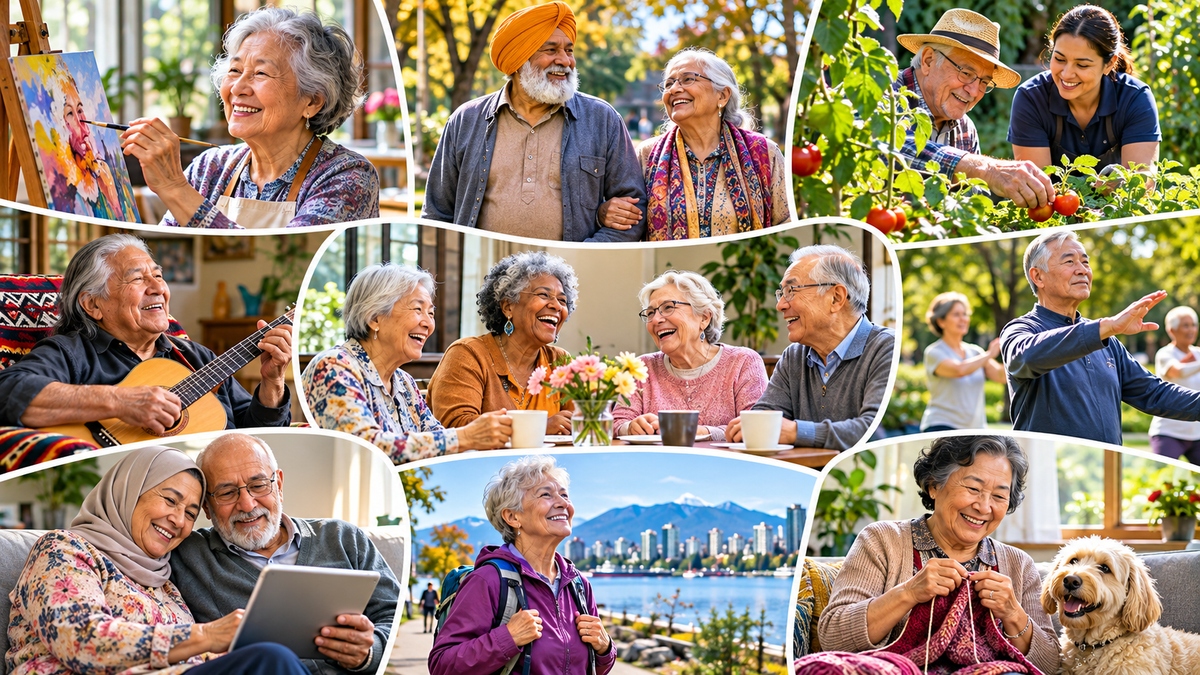
Someone who has always enjoyed gardening, for example, may find great satisfaction in tending a few potted plants, even if maintaining an entire garden is no longer possible. Another person may look forward to preparing a traditional family recipe, attending a religious service or meeting friends for coffee. These activities might seem small, but they can help preserve a sense of identity and belonging.
The goal is not to keep seniors busy for the sake of activity. It is to understand what matters to each individual and help them remain connected to those experiences whenever possible.
Emotional Well-Being Is Part of Healthy Aging
Growing older can bring significant changes. Retirement, declining mobility, the loss of a spouse or close friends, and changing family circumstances may affect how someone feels about daily life. Even seniors who are physically independent can experience loneliness, uncertainty or a loss of purpose.
A compassionate caregiver can offer more than practical assistance by taking time to listen, encouraging conversation and recognizing changes in mood or behaviour. Familiar routines, meaningful activities and regular social interaction can provide comfort and help older adults feel valued.
However, caregivers should not be expected to diagnose or treat mental health conditions. Persistent sadness, withdrawal, confusion or other concerning changes deserve attention from an appropriate healthcare professional.
Maintaining Independence Through Personal Choice
One of the most important principles of holistic care is respecting a senior's ability to make decisions about their own life. Needing assistance with bathing, dressing or preparing meals does not mean someone should lose control over how they spend their day.
Personalized home care can preserve independence by offering help where it is needed while encouraging older adults to continue doing what they can safely manage themselves. This might mean allowing extra time for someone to dress independently, involving them in meal choices or adapting a favourite activity to accommodate changing mobility.
At Peachtacular Home Health Care, we believe dignity begins with listening. Understanding a person's preferences, habits and priorities helps caregivers provide support that fits the individual rather than expecting the individual to fit a fixed routine.
Cultural Traditions and Personal Beliefs Matter
The Lower Mainland is home to people from many cultural, linguistic and religious backgrounds. For older adults, familiar traditions can become especially meaningful as their circumstances change.
Food preferences, language, family customs, religious practices and celebrations may all influence how someone wishes to receive care. A senior who has spent a lifetime preparing particular foods or observing certain traditions may feel more comfortable when those practices remain part of everyday life.
Holistic caregiving recognizes that these preferences are not simply extras. They are part of the person's identity and deserve respect.
Caregivers can support cultural and spiritual well-being by learning about individual preferences, helping clients maintain meaningful routines and involving family members or community organizations when appropriate. The important starting point is always to ask rather than assume.
Helping Seniors Stay Connected to Their Communities
Remaining at home should not have to mean becoming isolated from the wider community. Across Vancouver, Burnaby, Richmond, Surrey, Langley, Coquitlam, the North Shore and surrounding communities, older adults may have opportunities to participate in seniors' centres, recreation programs, libraries, cultural organizations and neighbourhood activities.
For some seniors, transportation or mobility challenges make participation difficult. Others may simply need encouragement or companionship to resume an activity they once enjoyed.
Depending on the services arranged, home caregivers may help clients prepare for outings, accompany them to activities or maintain contact with friends and family. Even regular telephone conversations, shared hobbies or visits with neighbours can contribute to a more connected daily life.
The best activities are not necessarily elaborate or expensive. They are the ones that bring genuine enjoyment and meaning to the individual.
How Families Can Support the Whole Person
Families often concentrate on immediate concerns such as medication schedules, nutrition, fall prevention and household safety. These responsibilities are important, but conversations about emotional and social needs should be part of care planning as well.
Ask an aging parent what they miss doing, which activities they still enjoy and whether there are people they would like to see more often. Notice whether familiar interests have faded and explore ways to adapt them rather than abandoning them altogether.
It can also help to discuss personal preferences with caregivers. Sharing information about a loved one's routines, favourite music, cultural traditions and social connections can make support feel more familiar and respectful.
Families should remember that preferences may change. Regular conversations allow care arrangements to evolve alongside the person's needs and wishes.
Why It Matters
As more older adults choose to remain in their own homes, families are looking for care that supports not only safety and physical comfort but also quality of life. Non-medical home care can play an important role by helping seniors maintain familiar routines, meaningful relationships and a sense of independence.
No single approach works for everyone. Some people enjoy busy social calendars, while others prefer quiet companionship, creative activities or time with family. Holistic care begins by respecting those differences and recognizing that every individual has a lifetime of experiences, values and preferences.
For seniors throughout the Lower Mainland, aging well is about more than receiving assistance with everyday tasks. It is about continuing to feel heard, respected and connected to the life they have built.
Good care helps people manage their day. Compassionate, person-centred care also helps them continue enjoying it.
About The Author
By Peachy Magistrado | WBN News Founder | Peachtacular Home Health Care 🌐 Website: https://peachtacularhhc.com
I believe every senior deserves compassionate, respectful care that promotes dignity, independence, and quality of life. My goal is to help families find personalized home care solutions that allow their loved ones to remain safe, comfortable, and supported in the place they call home.
Peachy Magistrado is the founder of Peachtacular Home Health Care, where she works with seniors and their families to provide personalized home-care support focused on dignity, independence, safety and quality of life.
Editor: Karalee Greer
Subscription to WBN and being a Contributor is Free
Sources
- Peachtacular Home Health Care — Holistic Approach to Non-Medical Home Care
- Peachtacular Home Health Care — Our Story
- World Health Organization — Integrated Care for Older People
- World Health Organization — Social Isolation and Loneliness
- Government of British Columbia — Home and Community Care
- National Institute on Ageing — Ageing in the Right Place
Tags: #WBN News #Peachy Magistrado #Senior Care #Home Care #Healthy Aging #Holistic Care #Emotional Wellbeing #Caregivers #Independent Living
Members Discussion