By Elke Porter | WBN News World Sports | May 29, 2026
Subscription to WBN and being a Writer is FREE!

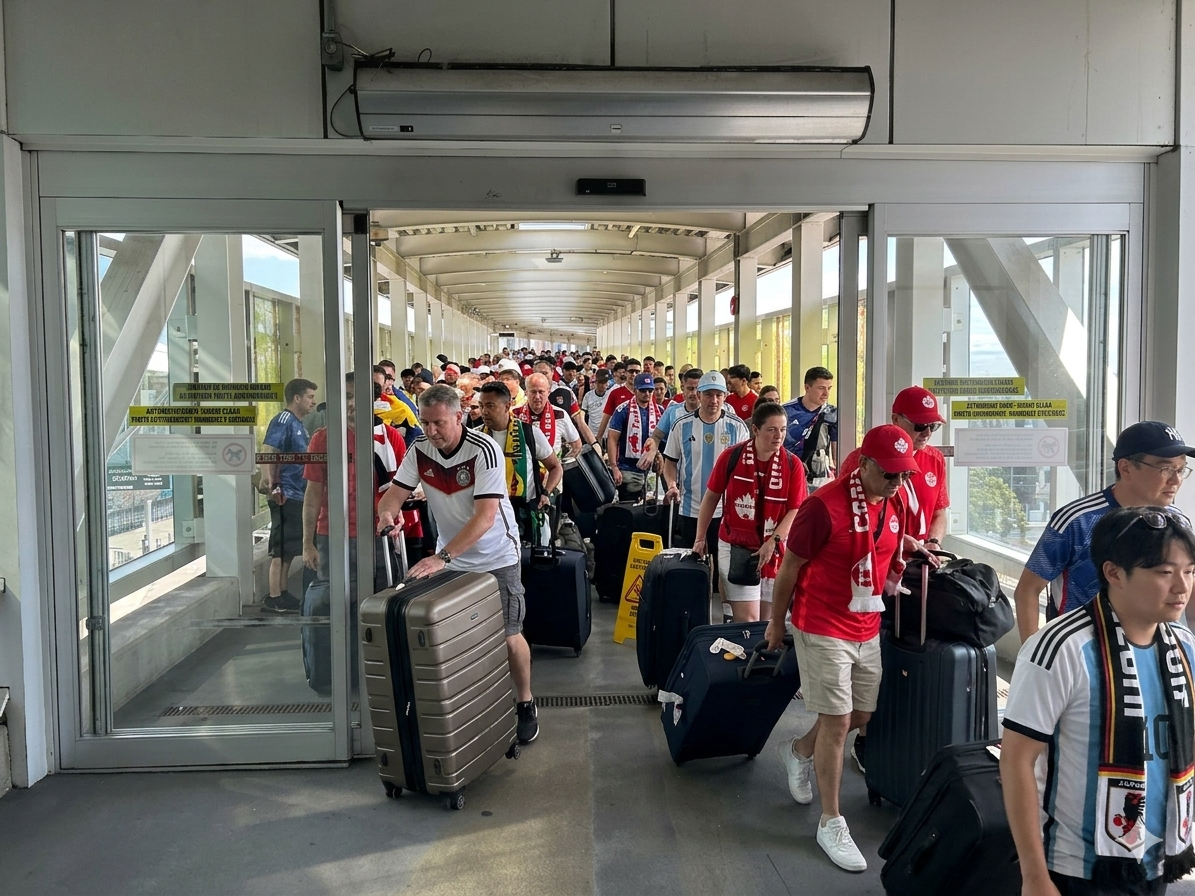
With the massive big beautiful game fast approaching, Vancouver finds itself on the world stage once again. The excitement is palpable, but so is the underlying tension. Balancing the arrival of 48 different countries, thousands of passionate fans, and minimum 48 disparate fan clubs with the quiet, orderly flow of everyday West Coast life is a monumental task.

The combined local and provincial safety and security costs are currently estimated at a staggering $242 million—partially offset by a recent $100 million federal funding injection. Managing this "beautiful mess" requires a careful look at how the city will survive and thrive through five critical lenses.

1. Safety and Security: Co-ordinating the Adrenaline

The scale of this security operation is unprecedented for Vancouver, bringing together multiple layers of planning to keep the festivities celebratory. The Vancouver Police Department (VPD) is leading the ground strategy, proactively connecting with local organizations—including Westcoast German News and the coordinators of the DACH Houses—to map out fan marches and watch parties so that resources are placed exactly where they are needed most.

Because high stakes and passionate sports fandom naturally elevate local energy, the Integrated Safety and Security Unit, co-led by Dave Jones, has a unique opportunity to showcase seamless cross-jurisdictional cooperation. By integrating out-of-town reinforcement officers alongside federal partners managing critical incident logistics, the city can maintain a welcoming, peaceful presence. The focus for our local forces will be on fostering an approachable, visible environment that helps both visiting fans and daily commuters feel completely comfortable navigating the crowds.

The primary security organizations managing Vancouver's safety operations include:

💡
Vancouver Police Department (VPD): Serves as the lead police force for events, stadiums, and fan zones, deploying a record-setting number of officers alongside out-of-town reinforcements.
💡
Integrated Safety and Security Unit: Headed by local security director Dave Jones, this integrated team co-ordinates multi-jurisdictional planning across the city.
💡
RCMP: Provides border-region security, critical incident management, and drone-detection capabilities
💡
Canada Border Services Agency (CBSA): Manages all international ports of entry and border crossings for arriving fans, teams, and officials.
💡
Ministry of Public Safety and Solicitor General: The B.C. provincial body responsible for overarching public safety and emergency management legislation, contributing alongside significant federal funding from Public Safety Canada.

2. Signage and Ambassadors: Easing the Transit Journey

Welcoming the world means thousands of international guests will be learning to navigate our regional transit system for the very first time. Moments of confusion at busy hubs like the City Centre Canada Line station present a perfect opportunity to use clever visual design and friendly human guidance to keep the city moving.

To assist travelers carrying heavy luggage, TransLink can introduce prominent, highly visual signage at main entry points to gently guide families toward elevators rather than escalators. Clear, multilingual infographics at ticket kiosks can easily explain how to load a Compass Card with "Stored Value" in straightforward increments of $5 or more, preventing long queues before they start.

Additionally, a dedicated network of transit and street ambassadors can play a vital role, stepping in at peak times to cheerfully remind visitors of local transit courtesies—like letting passengers exit the train completely before stepping on board.

3. Hospitality and Kindness: Emphasizing the Human Element

Vancouver has a rich history of rallying its community during major world events, having successfully implemented widespread hospitality programs during the 2010 Winter Olympics and Expo '86. Reviving that collaborative spirit can make a wonderful difference today. Frontline transit staff and local vendors can serve as the primary face of our city, where a patient, welcoming approach helps set a positive tone for the entire region.

The influx of international crowds means that tourists, soccer fans, and our city’s most vulnerable populations—those who are unhoused, suffering from severe mental health crises, or lacking access to basic hygiene—will be sharing the exact same public spaces. Survival as a world-class city means handling these interactions with deep human respect, rather than dynamic displacement or hostility.

Part of creating a comfortable environment includes addressing simple, everyday details that impact rider well-being. Ensuring that air conditioning systems are fully optimized across the bus fleet ahead of the summer weeks can keep passengers cool and relaxed. Moreover, practicing community care means collectively looking out for seniors and individuals with accessibility needs amidst the hustle and bustle. Simple habits, like placing backpacks on the floor when a bus is full, can easily transform a crowded commute into a comfortable, respectful experience for everyone.

4. Compassion and Awareness: Supportive Community Engagement

A global event of this magnitude naturally brings diverse groups of people together along our major downtown corridors, where international visitors and Vancouver's vulnerable residents will share the same public spaces. Approaching these shared spaces with empathy and awareness allows our city to demonstrate its core values of compassion and respect.

To support this environment, street ambassadors and transit staff could be equipped with basic de-escalation resources, allowing them to handle unusual or volatile behaviors—which are often rooted in mental health struggles or trauma—with dignity and calm. Visitors can also be gently guided to understand the nuances of urban communities, ensuring interactions remain safe and respectful.

Concurrently, increasing the visibility of mobile crisis support teams and expanding access to temporary public facilities can help ensure that our city's heightened event coordination extends a supportive hand to every member of the community.

5. Harmonizing the Festivities: Supporting Local Residents

It is well worth remembering that many Vancouverites will be focused on their usual daily routines rather than the tournament itself. For residents who need to commute to work, head out for groceries, or simply enjoy a quiet afternoon at the beach, maintaining a predictable neighbourhood flow is incredibly important.

To minimize friction for local taxpayers, the city and transit planners can actively fine-tune routes to balance tournament traffic with everyday needs. While transit adjustments—like the temporary No. 1 Downtown South Circulator and dedicated lanes on Seymour and Howe—help keep vehicles moving, planners can remain agile to ensure seniors and those with limited mobility don't lose vital, direct connections to their neighborhood SkyTrain stations.

Tourists who are unaccustomed to the realities of urban poverty need clear, compassionate guidance from transit staff and street ambassadors to understand that extreme behavior—such as the kicking or screaming sometimes witnessed on public buses—is usually a manifestation of trauma, not a direct threat. By proactively safeguarding the transit routes, quiet spaces, and daily schedules that locals depend on, the city can ensure that the excitement of the tournament coexists beautifully with the rhythm of everyday life.

Summary

Navigating the upcoming festivities successfully comes down to balancing robust operational preparation with a genuine culture of civic empathy. With considerable resources dedicated to public safety, the collaborative efforts of the VPD, RCMP, and the Integrated Safety and Security Unit can create a secure atmosphere that easily accommodates the high energy of international fan bases.

At the same time, the logistical flow of the city can be immensely improved if TransLink utilizes intuitive signage and a welcoming team of ambassadors to guide guests through our transit etiquette, keeping walkways clear and accessible.

Ultimately, Vancouver's success will be reflected in how thoughtfully it accommodates everyone—whether that means ensuring cool, air-conditioned bus rides for daily commuters, managing public spaces with patience and de-escalation, or carefully protecting the peace and mobility of the local residents who call this city home.

Elke Porter at:
Westcoast German Media
LinkedIn: Elke Porter or
WhatsApp:  +1 604 828 8788.
Public Relations. Communications. Education

Let’s bring your story to life — contact me for books, articles, blogs, and bold public relations ideas that make an impact.

TAGS:

  • #VanGoal2026
  • #TransitEtiquetteYVR
  • #VancouverEvents
  • #HostCityYVR
  • #DACHHousesVan
  • #CompassionInTransit
  • WBN News Vancouver
  • WBN News World Sports Edition
Share this article
The link has been copied!