By: Joseph James Udoh | Columnist | WBN NEWS Africa / Nashville | July 31, 2026

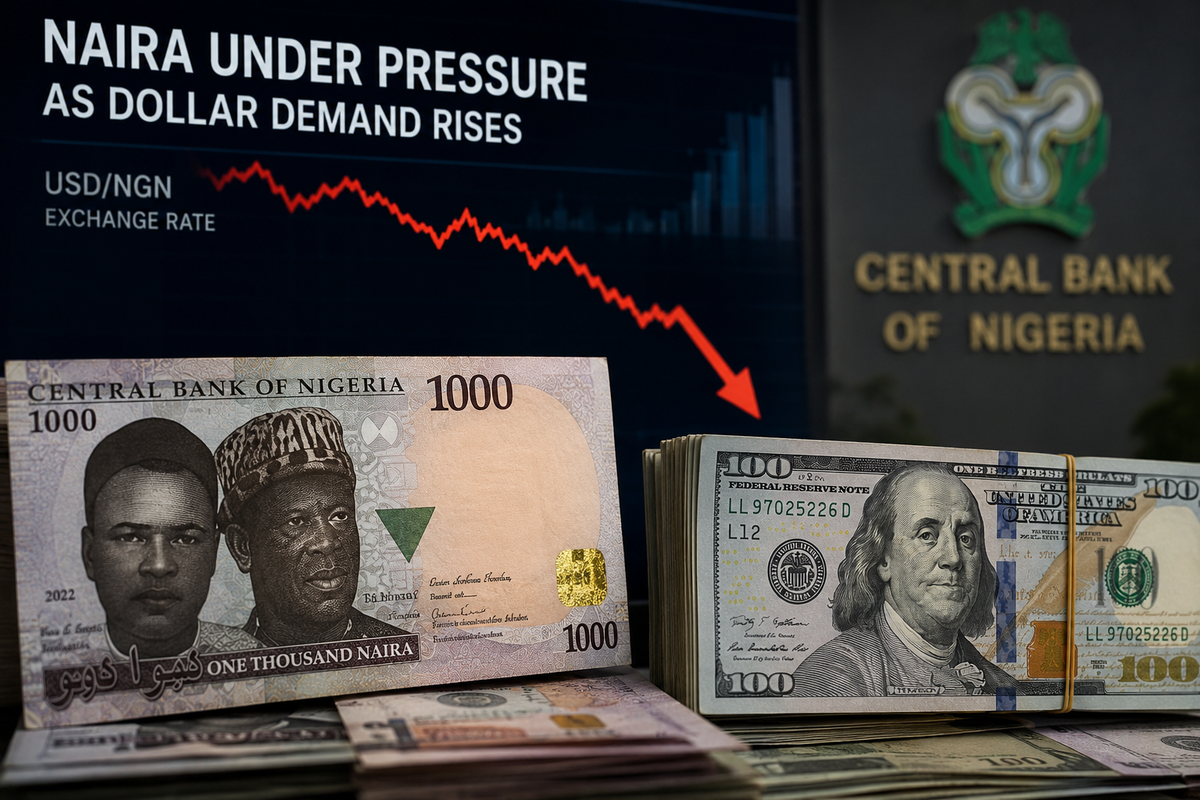
Nigeria’s naira is facing renewed pressure as demand for the U.S. dollar continues to rise, reflecting persistent challenges in the country’s foreign exchange market. Increased demand from importers, businesses, investors, and individuals seeking foreign currency has contributed to fluctuations in the naira’s value against the dollar in both the official and parallel markets.

Analysts say stronger demand for dollars is being driven by the need to finance imports, settle international obligations, pay tuition fees abroad, and support overseas travel. At the same time, foreign exchange inflows remain under close watch as policymakers work to improve liquidity and stabilize the market.

The Central Bank of Nigeria (CBN) has continued implementing reforms aimed at improving transparency and efficiency in the foreign exchange market. These measures include efforts to unify exchange rates, encourage foreign investment, and strengthen confidence in the financial system. While these reforms are expected to support long-term stability, market participants acknowledge that short-term volatility remains possible as supply and demand adjust.

Nigeria’s economy continues to rely heavily on foreign exchange earnings from crude oil exports, making global oil prices and production levels important factors in determining the availability of dollars. Non-oil exports, remittances from Nigerians abroad, and increased foreign direct investment are also viewed as critical sources of foreign exchange that could help ease pressure on the naira over time.

Financial experts note that sustained economic reforms, stronger export diversification, and improved investor confidence will be key to strengthening the local currency. They also emphasize the importance of expanding domestic production to reduce dependence on imports and lower demand for foreign exchange.

"The Central Bank of Nigeria has continued implementing reforms aimed at improving transparency and efficiency in the foreign exchange market."

"Non-oil exports, remittances from Nigerians abroad, and increased foreign direct investment are viewed as critical sources of foreign exchange."

"Stronger export diversification and improved investor confidence will be key to strengthening the local currency."

Although the naira continues to face near-term pressure, ongoing reforms and efforts to diversify Nigeria’s economy offer reasons for cautious optimism. With consistent policy implementation, increased investment, and stronger foreign exchange inflows, the country can build a more resilient currency and create a more stable environment for businesses, investors, and citizens.

TAG: #WBN News Africa #Economy #Naira #Dollar #Nigeria #Forex #CBN #Markets #WBN Africa #Africa Edition #WBN Africa News #Update #Africa #Joseph James Udoh


Joseph James Udoh is a Publisher /the Editor in Chief for WBN News Africa.
He covers local stories, business insights, and inspiring human-interest topics.

With a background in Computer Science, Theology/Intercultural Studies, and a Honorarium in Human Resource Management, he is passionate about digital empowerment and helping people thrive.

CONNECT:

WhatsApp: +2348160014488
🔗 LinkedIn: Joseph James Udoh

📧 Email:
kingjworld@gmail.com

▶️ YouTube Channel:

Joseph James Udoh
•Actor 🎬 •Columnist for World Business Network (WBN) NEWS (Africa, and Nashville edition)
Share this article
The link has been copied!