


By Elke Porter | WBN News Europe | December 20, 2025
Subscription to WBN and being a Writer is FREE!
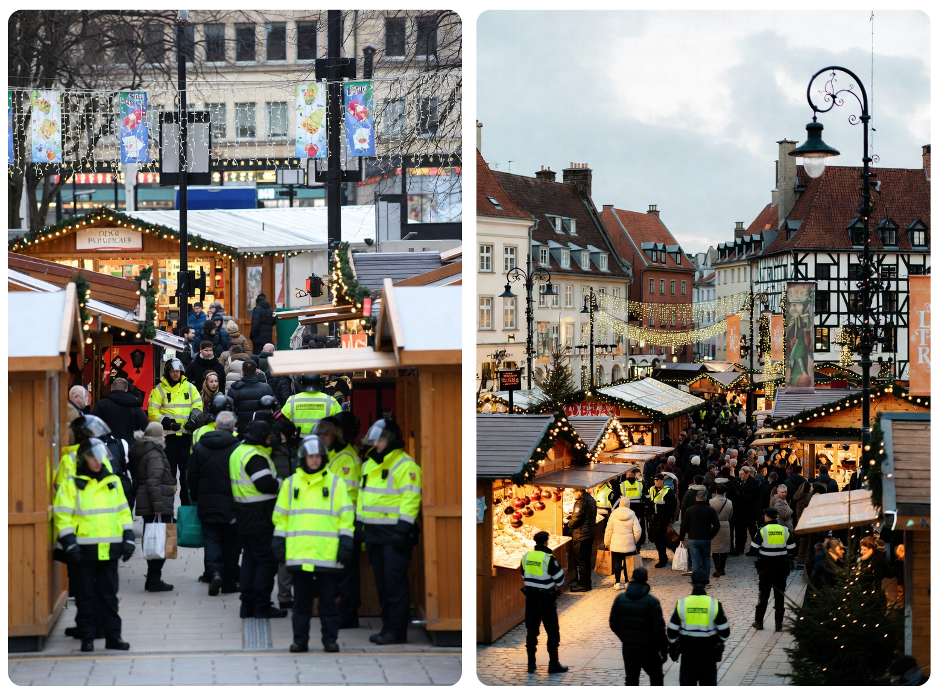
European Christmas markets, once simple gatherings of wooden stalls and mulled wine, have become multi-million euro enterprises requiring fortress-level security. The transformation reflects both the commercial success of these traditional celebrations and the harsh reality of modern security threats.
The deadliest incident involving fatalities at a Christmas market in Berlin occurred on December 19, 2016, at the market on Breitscheidplatz near the Kaiser Wilhelm Memorial Church.A Tunisian asylum seeker, Anis Amri, hijacked a truck and deliberately drove it into the crowded market, killing 12 people (including the truck's original Polish driver, who was shot earlier) and injuring over 50 others. Islamic State (ISIS) claimed responsibility, and Amri was killed in a shootout with Italian police days later. Some sources count 13 deaths, including one victim who died years later from injuries.
The attack fundamentally altered the economics of operating these markets. Today, concrete barriers, armed police patrols, surveillance systems, and bag-check stations are standard features across Germany's 3,000-plus markets. In 2024, tragedy struck again in Magdeburg, where six people died in another vehicle attack, reinforcing the persistent nature of these threats.
The financial burden is substantial. Security infrastructure can cost tens of thousands of euros, pricing smaller communities out of hosting markets entirely. Woodhall Spa in Lincolnshire cancelled its 2024 market, unable to meet stringent safety requirements. German towns have made similar decisions, unable to afford measures that larger cities absorb as operational necessities.
The UK maintains a "substantial" terror threat level, meaning attacks are considered likely. German authorities have foiled multiple plots in recent years, including a 2025 scheme in Bavaria. These aren't theoretical concerns but active threats requiring constant vigilance.
Brussels exemplifies these tensions. In November 2024, pro-Palestinian protesters disrupted the opening night of the city's "Winter Wonders" market with smoke bombs while families were present. Days later, vandals stole the cloth head from a baby Jesus figure in the Grand Place nativity scene—the latest in a series of attacks on the display over recent years. The controversial installation, featuring faceless cloth figures designed for inclusivity, had already sparked heated debate before the theft occurred.
Finally, according to a newspaper called About Hungary, "Fear of terrorist attacks is depriving families of the joy traditionally associated with Christmas markets in major European cities, the prime minister’s chief security adviser, György Bakondi, said on Wednesday on M1, after a man threatened visitors with a knife at the Weimar Christmas market over the weekend. Bakondi recalled that since the outbreak of the migration crisis in 2015, Europe has seen a rising number of violent incidents — shootings, bombings, stabbings and vehicle attacks — many of them linked directly to Christmas markets, churches, or other crowded public spaces."
The debate extends beyond logistics into difficult questions about immigration policy, integration, and cultural preservation. After each incident, European societies grapple with balancing openness with security, tradition with adaptation, and welcoming asylum seekers while managing legitimate safety concerns. These tensions have no easy resolution.
Most markets continue operating, transformed but resilient. Visitors navigate checkpoints to reach the bratwurst and ornaments, accepting new realities while preserving old traditions. The business of Christmas markets endures, albeit at considerable cost.
Elke Porter at:
Westcoast German Media
LinkedIn: Elke Porter or
WhatsApp: +1 604 828 8788.
Public Relations. Communications. Education
Let’s bring your story to life — contact me for books, articles, blogs, and bold public relations ideas that make an impact.
TAGS: #ChristmasMarkets #EuropeanSecurity #PublicSafety #ChristmasTraditions #EventSecurity #HolidayMarkets #
Members Discussion