
America's 11 World Cup Cities Compared
From Kansas City ($100/night) to New York ($600/night), compare all 11 USA FIFA 2026 host cities: costs, safety, teams, tourism & soccer culture.



From Kansas City ($100/night) to New York ($600/night), compare all 11 USA FIFA 2026 host cities: costs, safety, teams, tourism & soccer culture.
By Elke Porter | WBN News World Sports | January 11, 2026
Subscription to WBN and being a Writer is FREE!
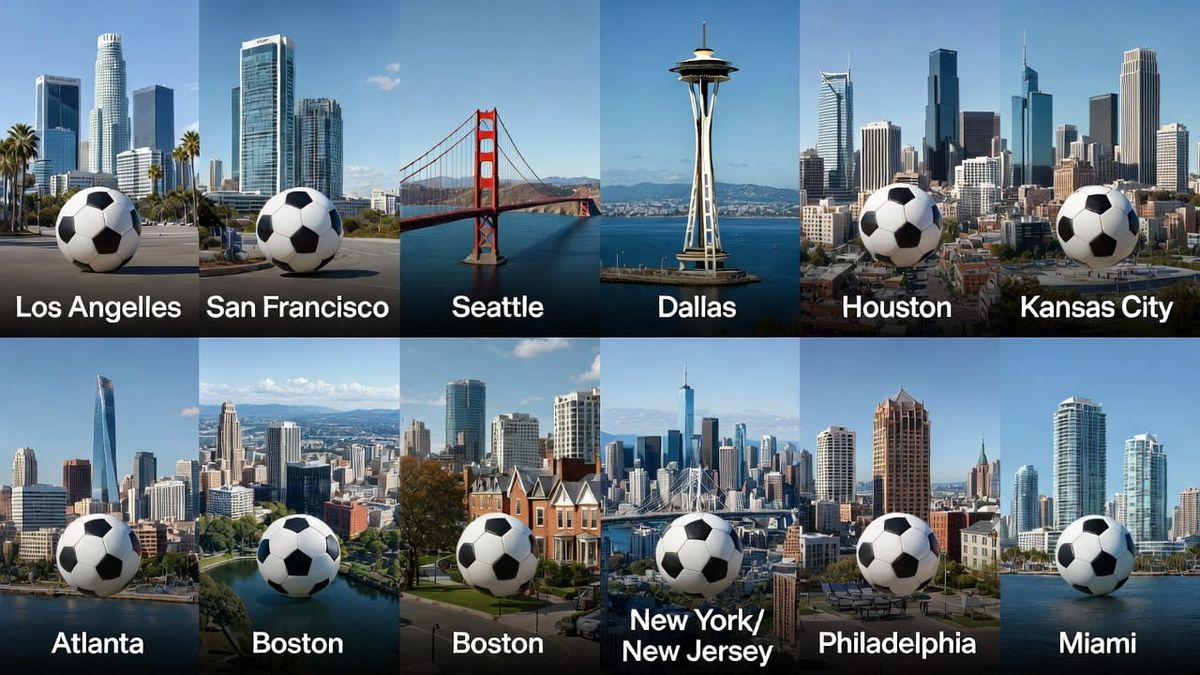
The 2026 FIFA World Cup marks America's return to soccer's grandest stage after 32 years, with 11 cities spanning from coast to coast preparing to welcome 78 of the tournament's 104 matches. Unlike the compact 1994 tournament that featured nine venues, the 2026 edition spreads across three time zones and thousands of miles, showcasing America's geographic diversity and regional identities.
From the Pacific coastline to the Atlantic seaboard, from sun-drenched Texas to the Pacific Northwest, these cities represent vastly different approaches to hosting, varying levels of soccer culture, and dramatically different costs for visiting fans.
This comprehensive analysis examines each city across seven critical metrics: population, stadium, safety standards, tourism offerings, costs, World Cup history, and the caliber of teams they'll host—providing travellers and soccer enthusiasts with the definitive guide to planning their American World Cup experience.
Population: 3.9 million (metro: 13+ million)
Stadium: SoFi Stadium (capacity 70,000)
Safety Rating: 6/10
Tourism Standards: 10/10
Cost Rating: Very High (8/10 expense level)
Previous World Cup Host: Yes (1994 - Rose Bowl hosted 8 matches including the final)
Game Standards: 9/10 - ELITE TIER
Los Angeles returns to the World Cup stage hosting eight matches including a quarterfinal and the USA's opening match against Paraguay on June 12, 2026. The revolutionary $5 billion SoFi Stadium in Inglewood represents the most expensive sports venue ever constructed, featuring cutting-edge technology and luxury amenities. LA will host powerhouse matchups including Belgium vs Iran, Switzerland vs UEFA Playoff Winner, and crucial knockout rounds.
Tourism in Los Angeles is unparalleled with Hollywood, Universal Studios, world-class beaches from Malibu to Manhattan Beach, the Getty Center, Griffith Observatory, Rodeo Drive shopping, and endless dining options spanning every global cuisine. Visitors can experience movie studio tours, hike to the Hollywood Sign, explore vibrant neighbourhoods like Venice and Santa Monica, and enjoy year-round perfect weather.
However, costs are astronomical. Hotel rooms average $250-400+ nightly, with luxury properties exceeding $600. Dining, transportation via rideshare (since public transit from downtown to Inglewood is complex), and entertainment add up quickly. Traffic congestion is legendary, requiring careful planning. Safety varies dramatically by neighbourhood—tourist areas like Santa Monica and Beverly Hills rate highly, but LA's size means crime statistics vary widely. The 1994 Rose Bowl experience in nearby Pasadena drew 102,083 for the final, establishing LA's World Cup credentials.
Population: 874,000 (metro: 7.7 million)
Stadium: Levi's Stadium (capacity 70,909)
Safety Rating: 5/10
Tourism Standards: 10/10
Cost Rating: Extremely High (9/10 expense level)
Previous World Cup Host: Yes (1994 - Stanford Stadium hosted 6 matches)
Game Standards: 7/10 - STRONG TIER
The Bay Area hosts six matches including Paraguay vs Australia and Jordan vs Algeria at Levi's Stadium in Santa Clara, approximately 45 miles from San Francisco. This distance creates logistical complexity for visitors expecting a San Francisco experience while staying near Silicon Valley. The stadium benefits from hosting Super Bowl LX earlier in 2026, providing a practice run for World Cup operations.
San Francisco tourism is world-class: Golden Gate Bridge, Alcatraz Island, cable cars, Fisherman's Wharf, vibrant neighborhoods like the Mission and Haight-Ashbury, plus proximity to Napa/Sonoma wine country. The tech culture adds modern innovation to historic charm. However, the Bay Area tops cost rankings nationwide. Hotel rooms average $300-500+ nightly in San Francisco, meals at quality restaurants run $75-100+ per person, and everything from coffee to transportation commands premium pricing.
Safety concerns centre on property crime—car break-ins plague tourist areas, and visible homelessness affects perceptions. While violent crime against tourists is relatively rare, visitors must remain vigilant with belongings. The 1994 Stanford Stadium experience brought soccer to the Peninsula successfully, but the 45-mile disconnect between "San Francisco" branding and Santa Clara reality may frustrate some visitors expecting a true San Francisco experience.
Population: 750,000 (metro: 4 million)
Stadium: Lumen Field (capacity 69,000)
Safety Rating: 6/10
Tourism Standards: 9/10
Cost Rating: High (7/10 expense level)
Previous World Cup Host: No
Game Standards: 8/10 - ELITE TIER
Seattle debuts as a World Cup host city with six matches including the marquee USA vs Australia clash on June 14. The city brings authentic soccer passion—Seattle Sounders regularly draw 40,000+ fans creating one of MLS's most intimidating atmospheres. This represents America's most genuine soccer market, where the sport competes legitimately with Seahawks, Mariners, and other professional teams.
Lumen Field's downtown location with direct Link Light Rail connectivity from Sea-Tac Airport creates seamless visitor experience. Pike Place Market, the Space Needle, waterfront activities, coffee culture (Starbucks original location), proximity to mountains and hiking, and Puget Sound cruises provide diverse attractions. The city's innovative culinary scene and craft brewery explosion add modern appeal.
Costs run high but not California-level extreme. Hotels average $200-350 nightly, quality dining runs $50-80 per person, though food truck and casual options offer affordability. Safety concerns focus on downtown property crime and visible homelessness, particularly around Pioneer Square, though tourist areas generally remain safe with normal precautions. Seattle's soccer credibility and transit infrastructure make it a standout American host city despite never hosting the 1994 tournament.
Population: 1.3 million (metro: 7.6 million)
Stadium: AT&T Stadium (capacity 80,000)
Safety Rating: 6/10
Tourism Standards: 7/10
Cost Rating: Moderate (5/10 expense level)
Previous World Cup Host: Yes (1994 - Cotton Bowl hosted 6 matches)
Game Standards: 10/10 - SUPREME TIER
Dallas hosts more matches than any single venue worldwide—nine matches including a semifinal—positioning it as the American tournament hub. The massive AT&T Stadium, nicknamed "Jerry's World," features a retractable roof and the world's largest video screen. Dallas will host Argentina vs Austria, Panama vs England, and a quarterfinal, plus the critical semifinal on July 14.
DFW's central geographic location makes it ideal for fans attending multiple cities. The Sixth Floor Museum at Dealey Plaza (JFK assassination site), vibrant arts district, Fort Worth Stockyards providing authentic cowboy culture, upscale shopping at NorthPark Center, and diverse dining create solid tourism foundations. Texas hospitality and BBQ add regional flavor.
Costs remain moderate compared to coastal cities. Hotels average $150-250 nightly, dining runs $40-70 for quality meals, and transportation via rideshare is affordable. However, AT&T Stadium's Arlington location (not technically Dallas) requires careful planning as public transit is limited. Safety is generally good in tourist areas, though Dallas faces typical urban crime challenges. The 1994 Cotton Bowl experience drew strong crowds, but the massive modern AT&T Stadium elevates Dallas's hosting capabilities dramatically. The sheer volume of nine matches means sustained economic impact and fan presence throughout the tournament.
Population: 2.3 million (metro: 7.1 million)
Stadium: NRG Stadium (capacity 72,000)
Safety Rating: 6/10
Tourism Standards: 7/10
Cost Rating: Moderate (4/10 expense level)
Previous World Cup Host: No
Game Standards: 8/10 - ELITE TIER
Houston hosts seven matches including Portugal vs Intercontinental Playoff Winner and Ghana vs Croatia, plus knockout rounds. The city's $55 million NRG Stadium improvements and $100 million hotel investments demonstrate serious preparation. The 39-day Fan Festival in East Downtown expecting 15,000 daily visitors represents America's most detailed fan experience planning.
Space Center Houston (NASA), the Museum District (19 museums within 1.5-mile walkable zone), diverse culinary scene reflecting massive immigrant populations (Chinatown, Little Saigon, Indian corridor), professional sports across all leagues, and genuine Texas hospitality create welcoming environment. Houston's multicultural population brings authentic soccer passion—large Hispanic, African, and Asian communities ensure knowledgeable, passionate fans.
Houston offers the best value among major American host cities. Hotels average $120-200 nightly, excellent dining runs $35-60 per person, and the city's sprawl means rideshare costs stay reasonable. Dual airport access (George Bush Intercontinental and Hobby) provides options. Safety is generally adequate in tourist zones, though Houston's size means crime statistics vary by neighborhood. Houston Dynamo provides MLS presence, and the city's international character creates authentic World Cup atmosphere despite never hosting in 1994.
Population: 508,000 (metro: 2.2 million)
Stadium: GEHA Field at Arrowhead Stadium (capacity 76,000 - Guinness World Record holder for loudest stadium)
Safety Rating: 7/10
Tourism Standards: 6/10
Cost Rating: Low-Moderate (3/10 expense level)
Previous World Cup Host: No
Game Standards: 8/10 - ELITE TIER
Kansas City hosts six matches including a quarterfinal, featuring Argentina vs Algeria, Ecuador vs Curaçao, and critical knockout stages. Arrowhead Stadium's record-breaking noise levels promise incredible atmosphere. The city markets itself as "the soccer capital of America" with some legitimacy—Sporting Kansas City has cultivated dedicated following.
Tourism centers on craft breweries (Boulevard, among dozens), world-famous BBQ restaurants (Joe's Kansas City, Q39, Gates), jazz heritage (18th & Vine District), the National WWI Museum, and heartland American culture. The Power & Light District provides entertainment hub. Kansas City offers authenticity over glamour—real American Midwest experience.
This represents the tournament's best value. Hotels average $100-180 nightly, exceptional BBQ dinners run $25-45 per person, and overall costs stay manageable. However, FIFA's requirement of 55,000 hotel rooms within 2.5-hour radius means visitors will spread across the metro area extending to Wichita, Columbia, Springfield, Des Moines, and even St. Louis. Properties as far as 26 miles from the stadium have invested in renovations anticipating visitors. Safety is generally very good in tourist areas, better than larger urban centres. Kansas City's genuine soccer culture and affordability create appealing combination despite never hosting the 1994 tournament.
Population: 499,000 (metro: 6 million)
Stadium: Mercedes-Benz Stadium (capacity 71,000)
Safety Rating: 6/10
Tourism Standards: 8/10
Cost Rating: Moderate (5/10 expense level)
Previous World Cup Host: No
Game Standards: 9/10 - ELITE TIER
Atlanta hosts eight matches including a semifinal on July 15—one of only two American semifinal hosts alongside Dallas. The schedule includes Spain vs Saudi Arabia, Morocco vs Haiti, and crucial knockout rounds. Mercedes-Benz Stadium's retractable roof, direct MARTA connectivity, and downtown location create ideal hosting environment. Atlanta uniquely leads American cities with concrete entertainment announcements: Big Boi and Indigo Girls performing free concerts during the 34-day Decatur WatchFest.
World of Coca-Cola, Georgia Aquarium (largest in Western Hemisphere), Martin Luther King Jr. National Historical Park, the BeltLine Eastside Trail, Ponce City Market, vibrant neighborhoods, and Southern hospitality create rich tourism. Atlanta's "City of Sports" brand benefits from 1996 Olympics experience and multiple Super Bowl hostings.
Costs remain moderate. Hotels average $150-250 nightly, dining runs $45-75 for quality meals, and Hartsfield-Jackson's status as world's busiest airport ensures flight accessibility. MARTA's direct stadium connection eliminates transportation stress. Safety is adequate in tourist zones though Atlanta faces urban crime challenges in certain neighborhoods. Atlanta United's passionate following (regularly breaking MLS attendance records) brings authentic soccer culture. Despite never hosting the 1994 tournament, Atlanta's infrastructure, entertainment planning, and genuine soccer enthusiasm position it among elite American hosts.
Population: 654,000 (metro: 4.9 million)
Stadium: Gillette Stadium (capacity 65,878)
Safety Rating: 7/10
Tourism Standards: 9/10
Cost Rating: High (7/10 expense level)
Previous World Cup Host: Yes (1994 - Foxboro Stadium hosted 5 matches)
Safety Rating: 7/10
Boston hosts seven matches including a quarterfinal, featuring Germany vs Curaçao, Norway vs France, and knockout rounds. Unprecedented MBTA Foxboro Event Service provides direct trains from South Station/Boston and Providence to Foxboro station (8-minute walk to stadium). The $46 million in federal funding demonstrates governmental support. Fortuitously, America's 250th anniversary celebrations and Sail Boston (July 11-16, largest maritime celebration ever in U.S.) create festival atmosphere coinciding with matches.
Historic Freedom Trail, Fenway Park, Harvard/MIT, Boston Harbor, New England seafood, whale watching, and beach excursions provide world-class tourism. Boston's positioning as perfect Eastern Region base with Amtrak connections to NYC and Philadelphia adds strategic value. Three new luxury hotels in Boston and Cambridge anticipate demand.
Costs run high. Hotels average $250-400+ nightly, dining at quality establishments runs $65-90 per person, and everything commands premium pricing. Safety is generally excellent in tourist areas, superior to most large American cities. However, Fan Festival location (likely Boston Common or City Hall Plaza) remains unannounced six months out, and team base camp accommodations are still undetermined—concerning gaps this close to tournament start. The 1994 Foxboro Stadium experience provides institutional knowledge, and Boston's America 250 celebrations create unique historical context.
Population: 8.3 million NYC (metro: 20+ million)
Stadium: MetLife Stadium (capacity 82,500 - tournament's largest venue)
Safety Rating: 6/10
Tourism Standards: 10/10
Cost Rating: Extremely High (10/10 expense level)
Previous World Cup Host: Yes (1994 - Giants Stadium hosted 7 matches including a semifinal)
Game Standards: 10/10 - SUPREME TIER
New York/New Jersey hosts eight matches including THE FINAL on July 19, 2026—the most prestigious assignment worldwide. Earlier matches include Norway vs Senegal, France vs UEFA Playoff Winner, Brazil vs Morocco, England vs Panama, and Senegal vs Tunisia. The 82,500 capacity ensures the largest crowds and maximum global attention. Hotel demand has skyrocketed 224% since the December draw, with searches for "World Cup New Jersey" surging 2,993%.
Tourism is unmatched globally: Statue of Liberty, Times Square, Central Park, Broadway, Empire State Building, 9/11 Memorial, Museum Mile, endless shopping, Michelin-starred dining, and infinite cultural attractions. The Tri-State area offers every possible experience from high art to street food, luxury shopping to ethnic neighborhoods. MetLife Stadium accessibility via NJ Transit from Penn Station and Secaucus Junction provides multiple options, though coordination between NYC and New Jersey transit systems requires planning.
Costs are America's highest. Manhattan hotels average $350-600+ nightly (budget options $250+), fine dining runs $100-200+ per person, Broadway shows cost $150-400, and everything from coffee to transportation commands maximum pricing. Visitors can find value through ethnic restaurants, food carts, and careful planning, but New York remains expensive. Safety in tourist zones is generally good, though subway and street crime require awareness. The 1994 Giants Stadium experience (hosting semifinal and other key matches) provided foundation, but MetLife Stadium's modernity and the Final's prestige elevate this far beyond 1994.
Population: 1.6 million (metro: 6.2 million)
Stadium: Lincoln Financial Field (capacity 67,000)
Safety Rating: 6/10
Tourism Standards: 8/10
Cost Rating: Moderate-High (6/10 expense level)
Previous World Cup Host: No
Game Standards: 7/10 - STRONG TIER
Philadelphia hosts seven matches including Brazil vs Haiti and Ghana vs Croatia. The city's central Northeast Corridor location with excellent Amtrak service connecting New York and Boston creates strategic positioning. SEPTA's Broad Street Line provides direct stadium access. The city expects 15% rise in international arrivals versus 2022.
Independence Hall and Liberty Bell (American Revolution birthplace), Philadelphia Museum of Art with iconic Rocky Steps, Reading Terminal Market, diverse neighborhoods, and cheesesteaks provide tourism foundation. The city's role as America's first capital adds historical gravitas. Philadelphia Union brings MLS presence, and the city's passionate sports culture (Eagles, Phillies, 76ers, Flyers) extends to soccer.
Costs are moderate to high. Hotels average $180-300 nightly, quality dining runs $55-85 per person, and overall expenses fall between Midwest affordability and New York extremes. Safety is adequate in tourist zones, though Philadelphia faces urban challenges in certain neighborhoods. Big fan festivals are planned though specific details remain unannounced. Despite never hosting the 1994 tournament, Philadelphia's historical significance, central location, and infrastructure create solid hosting foundation.
Population: 449,000 (metro: 6.1 million)
Stadium: Hard Rock Stadium (capacity 65,000)
Safety Rating: 6/10
Tourism Standards: 9/10
Cost Rating: High (8/10 expense level)
Previous World Cup Host: No (Miami was candidate but rejected due to stadium conflicts)
Game Standards: 8/10 - ELITE TIER
Miami hosts seven matches including a quarterfinal and the third-place match on July 18, featuring Uruguay vs Cape Verde, Colombia vs Portugal, and knockout rounds. New hotels including Thompson Miami Beach, The Sunny Resort, and Andaz Miami Beach prepare for demand. Dynamic pricing models anticipate tournament surge.
Beaches, Art Deco architecture in South Beach, Cuban culture in Little Havana, Everglades, Wynwood Walls street art, world-class nightlife, and tropical climate create irresistible appeal. Miami promises ongoing party atmosphere throughout the tournament. Lionel Messi's arrival at Inter Miami has created unprecedented soccer enthusiasm in South Florida—the city now possesses legitimate soccer star power that didn't exist even two years ago.
Costs run high. Hotels average $250-450+ nightly (beach properties higher), dining at quality establishments runs $70-100+ per person, nightlife and entertainment add significantly, and peak summer season amplifies everything. Hard Rock Stadium's Miami Gardens location requires rideshare or careful transit planning. Safety varies dramatically—tourist zones like South Beach, Brickell, and Coral Gables rate well, but Miami faces typical urban crime challenges. The Messi effect has transformed Miami's soccer credentials almost overnight, creating enthusiasm that positions the city favorably despite never hosting the 1994 tournament.
The 11 American host cities present dramatically different experiences, costs, and soccer cultures. Western cities (Los Angeles, San Francisco, Seattle) offer spectacular natural beauty and innovative culture at premium prices, with Seattle standing out for authentic soccer passion. Central cities (Dallas, Houston, Kansas City) provide heartland American experiences, exceptional value, and surprising soccer credibility, with Dallas's nine matches creating sustained presence. Eastern cities (Atlanta, Boston, New York/New Jersey, Philadelphia, Miami) blend history, culture, and modern infrastructure, with New York's Final ensuring maximum prestige.
Best Value: Kansas City ($100-180 nightly hotels, $25-45 BBQ dinners, genuine soccer culture)
Most Expensive: New York/New Jersey ($350-600+ hotels, everything at maximum pricing)
Best Soccer Culture: Seattle (authentic Sounders passion), Atlanta (United attendance records), Kansas City (self-proclaimed soccer capital)
Most Matches: Dallas (9 including semifinal)
Most Prestigious: New York/New Jersey (Final on July 19)
Best Tourism: Los Angeles, New York, San Francisco (10/10 attractions)
Best Tournament Debut: Seattle, Atlanta (never hosted 1994 but bringing strong preparations)
1994 Veterans: Los Angeles, San Francisco, Dallas, Boston, New York/New Jersey (institutional knowledge)
Safety across all cities rates 5-7/10—adequate with normal precautions but requiring awareness of surroundings, securing belongings, and avoiding certain neighborhoods. American urban challenges exist everywhere, though tourist zones generally maintain good security.
The 2026 American World Cup experience will vary dramatically by city choice. Budget-conscious fans prioritizing value should target Kansas City, Houston, or Dallas. Luxury seekers wanting premium experiences should choose Los Angeles, New York, or Miami. Soccer purists wanting authentic atmosphere should prioritize Seattle, Atlanta, or Kansas City. History enthusiasts should select Boston (America 250), Philadelphia (Revolution history), or New York (American icon).
Thirty-two years after the 1994 tournament sparked American soccer's growth, the 2026 edition finds a nation transformed—11 cities replacing nine, 48 teams replacing 24, 104 matches replacing 52. Some cities like Los Angeles and Boston return with institutional knowledge and upgraded venues. Others like Seattle and Atlanta debut with authentic soccer passion developed over three decades. Still others like Kansas City and Houston bring heartland value and multicultural enthusiasm.
The question facing America's World Cup return: Will 11 cities prove too many, diluting atmosphere? Or will geographic spread showcase American diversity while enabling more fans to participate? Will costs in places like New York and San Francisco deter international visitors? Or will value in Kansas City and Houston offset coastal extremes? Will authentic soccer culture in Seattle and Atlanta elevate the experience? Or will soccer-indifferent cities treating it as just another event diminish the passion?
The answers arrive June 11, 2026, when America opens its stadiums, highways, and hotels to the world. From Pacific to Atlantic, mountain to coast, these 11 cities represent American ambition, diversity, and the ongoing journey to embrace the beautiful game. Whether visitors spend $100 nightly in Kansas City or $600 in New York, whether they experience Seattle's Sounders passion or New Jersey's global spectacle, whether they prioritize Dallas's nine-match marathon or Boston's America 250 celebration—the 2026 American World Cup promises something for everyone across a continent-spanning festival of soccer.
Elke Porter at:
Westcoast German Media
LinkedIn: Elke Porter or
WhatsApp: +1 604 828 8788.
Public Relations. Communications. Education
Let’s bring your story to life — contact me for books, articles, blogs, and bold public relations ideas that make an impact.
TAGS: #FIFA 2026 USA #World Cup 2026 #USA 2026 #FIFA World Cup #Soccer 2026 #World Cup USA #WBN News World Sports Edition #WBN USA Edition #Elke Porter