By Sheryl Connection Catalyst |  | WBN News Global |   | April 21, 2026

 Click Here! Subscribe or Become WBN News Contributor for Free

US Dark Ship Seizure Plan Raises Stakes in Global Shipping Crisis
. The Trump administration is preparing to board and seize Iran-linked oil tankers and commercial ships in international waters within days, according to reporting first cited by The Wall Street Journal and confirmed by Reuters and AP News.

The move would broaden Washington's maritime pressure campaign well beyond the Strait of Hormuz blockade already in force, signaling a sharper effort to choke off Iranian oil flows and cargo movement worldwide.

The developing operation comes after the U.S. Navy began enforcing a blockade of Iranian ports and coastal waters earlier this week, with officials saying multiple vessels turned back rather than risk interception. AP reported that the military now intends to target vessels linked to Tehran in other regions as well, including the Pacific, and would consider boardings or seizures of ships accused of carrying material support for Iran.

According to Reuters, the plan is part of a broader effort by the Trump administration to increase economic pressure on Tehran and force concessions in nuclear-related negotiations. And Bloomberg similarly stated the administration wants to compel Iran to re-open the Strait of Hormuz and alter its posture in talks.

That combination of naval force and economic leverage suggests the campaign is no longer limited to a regional choke point, but is now being turned into a global maritime enforcement effort.

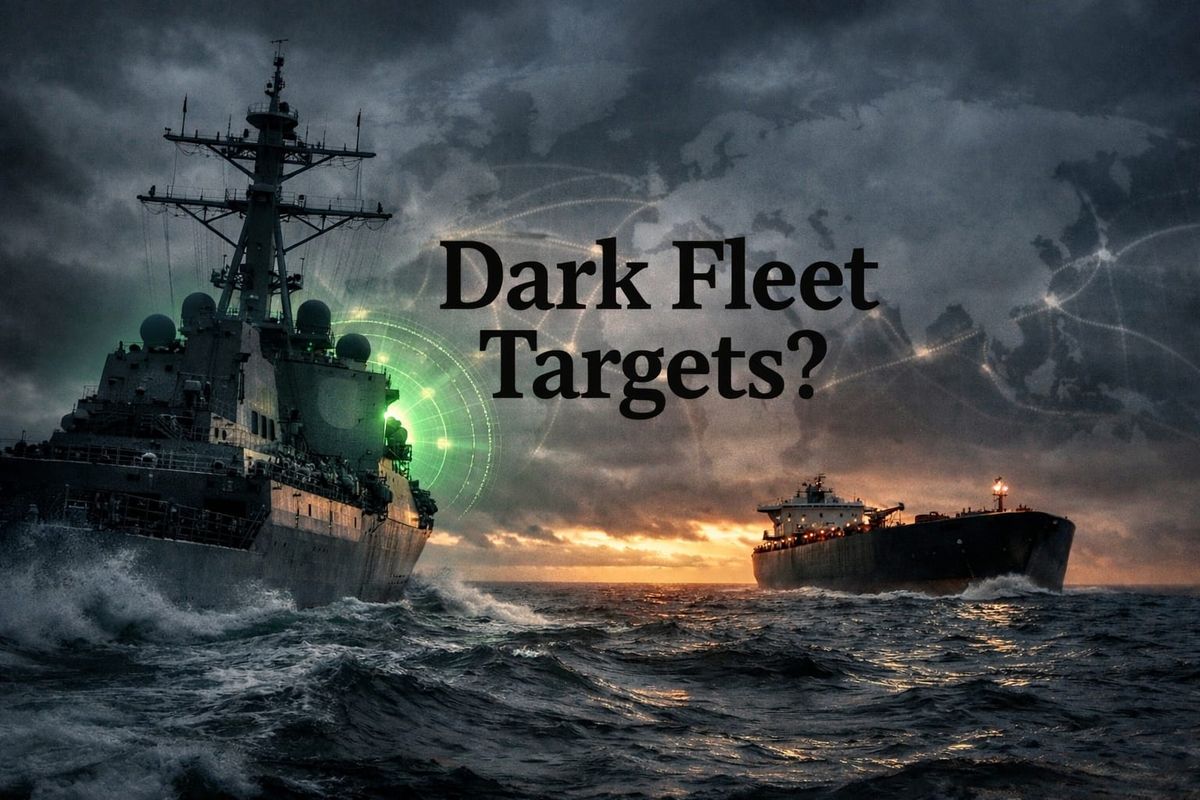
The focus on so-called dark fleet vessels is especially significant for global energy markets and shipping insurers. These are the ships often used to move sanctioned oil while trying to evade international oversight, and any aggressive U.S. interception effort could raise freight rates, deepen risk premiums, and unsettle already fragile supply chains.

Officials quoted in the reporting said the U.S. would act against vessels that are Iranian-flagged or suspected of providing material support to Iran, and that ships crossing the blockade line could face warning shots, boarding, or seizure. The Pentagon has framed the operation as a response to the broader conflict with Iran and as a pressure campaign designed to force compliance at sea.

For shipping firms, the immediate question is not just whether the blockade continues, but whether the U.S. will start intercepting Iran-linked vessels far beyond the Middle East. If that happens, the crisis could shift from a regional maritime stand-off into a wider contest over freedom of navigation, sanctions enforcement, and global energy security. Interesting times we live in: it is a complex situation.


Sheryl Rogers- Connection Catalyst
Toronto, Ontario Sheryl brings unique perspective, offering fresh insight where others see only chaos. đź“§ torontobiznews@gmail.com đź”—LinkedIn: https://www.linkedin.com/in/sheryl-rogers/ 🟦 Bluesky: @connectioncatalyst.bsky.social đź”” Join WBN News as a Contributor or Subscriber for Free! Click Here!

Sources
1)Wall Street Journal: Original reporting on U.S. military preparations, April 18, 2026
2)Reuters: "US military prepares to board Iran-linked ships," April 18, 2026
3)AP News: "US military will target Iran-linked ships worldwide," April 16, 2026
4)Reuters: "Six ships turned around Strait of Hormuz blockade," April 14, 2026
5)CBS News: "Caine warns 'we will use force' Iran," April 15, 2026
6)Bloomberg: "US Preparing to Board Iran-Linked Ships," April 18, 2026
7)Jerusalem Post: "US planning to seize Iran-linked ships," April 17, 2026

Tags: #Oil #Shipping #Markets #Business #Geopolitics #Security #Iran

Share this article
The link has been copied!