By: Joseph James Udoh | Columnist | WBN NEWS Africa / Nashville | June 30, 2026

China has taken a significant step in the race to develop brain-computer interface technology, approving its NEO brain chip for mass production and patient use before Elon Musk's Neuralink receives broad commercial approval.

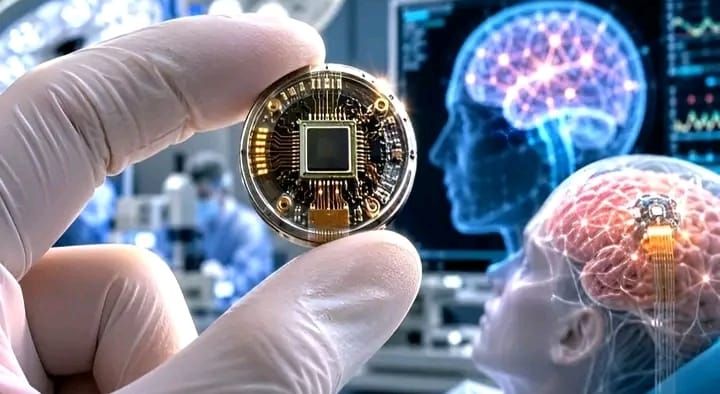
Approved in June 2026, the coin-sized NEO device was jointly developed by Tsinghua University and Shanghai Neuracle. Designed to help people living with paralysis, the implant enables users to control phones, computers, and other digital devices using only their thoughts.

Unlike many brain implants currently in development, NEO sits on the surface of the brain rather than penetrating brain tissue. This less invasive approach is intended to reduce surgical risks while still allowing reliable communication between the brain and external devices.

The technology has already shown encouraging results. According to clinical trial data, 36 patients successfully used the device, paving the way for its wider deployment. China now plans to introduce NEO through its national healthcare system, making the technology available to more patients who could benefit from restored communication and greater independence.

The approval comes as Elon Musk's Neuralink continues its own development journey. Neuralink began human clinical trials in 2024 and has implanted its brain chip in nine patients. However, the company is still awaiting broader regulatory approval before commercial rollout can begin.

China is also developing Beinao-2, a deeper brain implant that more closely resembles Neuralink's design. That project remains approximately three years behind NEO in development, highlighting China's strategy of advancing multiple brain-computer interface technologies simultaneously.

The rapid progress in brain-computer interfaces reflects a growing global commitment to improving the lives of people with severe neurological conditions. While different countries and companies are pursuing different technical approaches, the shared goal remains the same: restoring independence and expanding opportunities for those living with paralysis.

"The implant enables users to control phones, computers, and other digital devices using only their thoughts."
"Unlike many brain implants currently in development, NEO sits on the surface of the brain rather than penetrating brain tissue."
"The rapid progress in brain-computer interfaces reflects a growing global commitment to improving the lives of people with severe neurological conditions."

As innovation continues across the world, advances like NEO offer renewed hope that cutting-edge neuroscience will help more people reconnect with their surroundings, regain independence, and improve their quality of life in the years ahead.

TAG: #China #NEO #Brain Chip #Neuralink #Health Care #Innovation #Technology #WBN #Africa Edition #WBN News #WBN News Africa #Joseph James Udoh


Joseph James Udoh is the Editor in Chief for WBN News Africa.
He covers local stories, business insights, and inspiring human-interest topics.

With a background in Computer Science, Theology/Intercultural Studies, and a Honorarium in Human Resource Management, he is passionate about digital empowerment and helping people thrive.

CONNECT:

WhatsApp: +2348160014488
🔗 LinkedIn: Joseph James Udoh

📧 Email:
kingjworld@gmail.com

▶️ YouTube Channel:

Joseph James Udoh
•Actor 🎬 •Columnist for World Business Network (WBN) NEWS (Africa, and Nashville edition)
Share this article
The link has been copied!