AI and the Ethics of Digital Deception
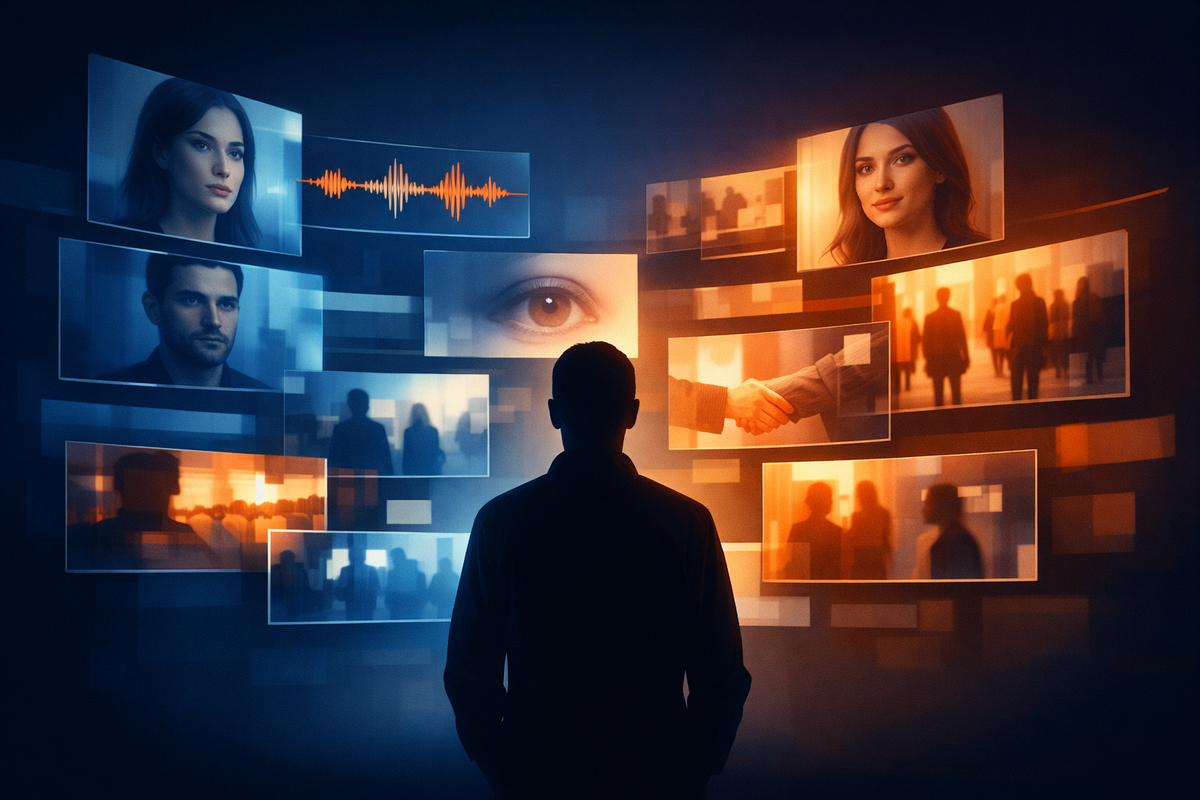
Artificial intelligence can now generate images, voices, and videos that appear real. As this technology advances, society must confront a deeper question: who holds responsibility when AI is used to deceive?


By Kevin Martin
Artificial intelligence has rapidly evolved from a futuristic concept into a powerful everyday tool. Systems developed by companies such as OpenAI, Google, and Anthropic can now generate text, images, audio, and video that often appear convincingly real. These technologies are helping people write, design, create, and solve problems in ways that were unimaginable just a few years ago.
But with this new capability comes a growing ethical concern: digital deception. AI can produce realistic images, cloned voices, and altered videos, making it difficult to tell what is real and what is not. These so-called deepfakes can be used to mislead audiences, damage reputations, or spread misinformation. This raises an important question: Who is responsible when AI-generated content deceives people?
Some argue that technology companies should build strong safeguards into their systems to prevent misuse. Others believe that responsibility should fall primarily on the individuals who choose how to use these tools. Still others suggest that online platforms must take a greater role in identifying and labeling AI-generated content.
As AI technology continues to advance, society faces a difficult balance. Too few safeguards could increase the risk of manipulation and misinformation. Too many restrictions could limit creativity, innovation, and legitimate uses of the technology.
Reflection Questions:
Tags: #Artificial Intelligence, #Digital Ethics, #Technology and Society, #Misinformation, #Human Responsibility, #Trust, #Innovation
Kevin Martin is a mindset coach and the founder of Positive Effects Coaching & Hypnosis, focused on helping individuals shift their thinking to unlock greater performance and personal growth. He also serves as a founding member and advisor within the GrowthCraft Startup Community, where he supports entrepreneurs in developing clarity, leadership, and resilient mindsets.
Tampa, Florida - kevin@poseffects.com - Tel: 978-494-4542