✍️ By Debbie Balfour | WBN News | June 29, 2026| Click HERE for your FREE Subscription to WBN News and/or to be a Contributor.

You work hard to create content, attend networking events, and start conversations with potential investors. Then someone says, “I’d love to learn more,” and the momentum suddenly stalls in a messy back-and-forth exchange about dates, times, and time zones. That tiny scheduling problem can quietly damage the trust you’ve worked so hard to build.

Your Investor Experience Starts Before the Call

Your investor experience begins before the call. The moment someone decides to speak with you, they are already evaluating how you communicate, how organized you appear, and whether you respect their time.

A confusing booking process creates friction, while a clear automated system creates confidence before you say a single word.

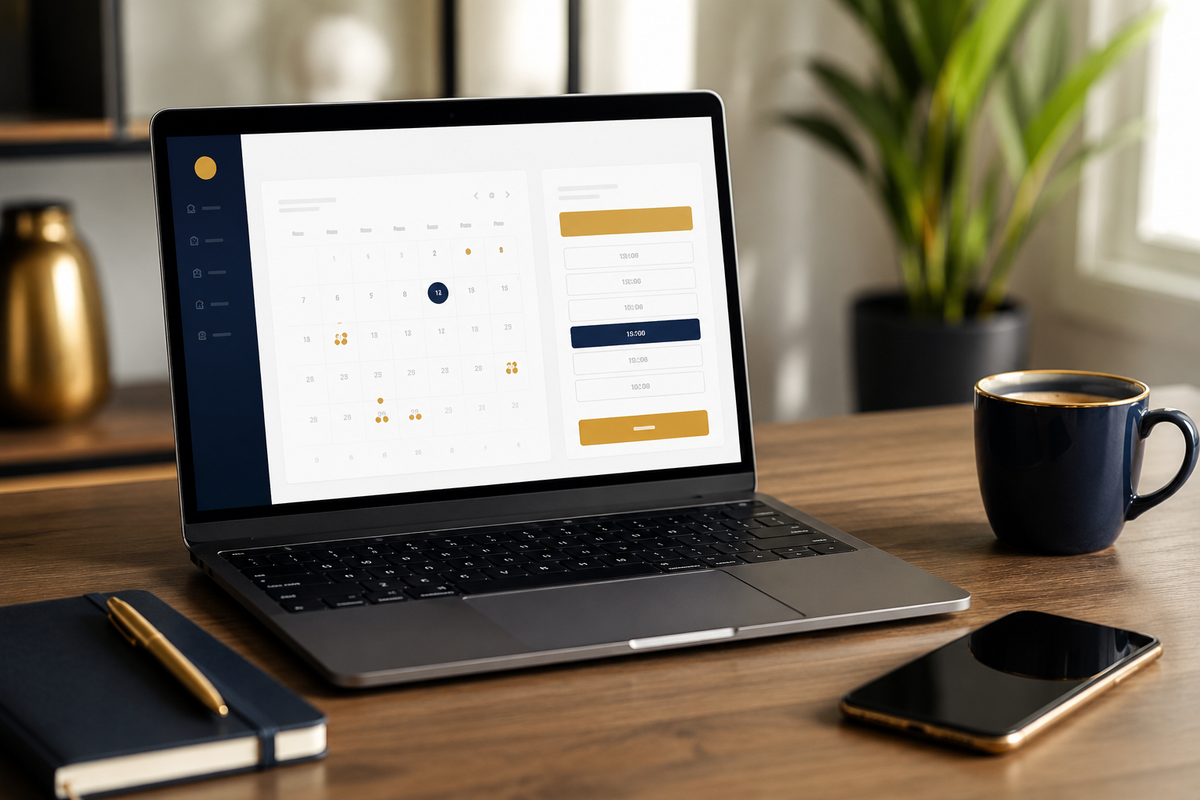
An automated calendar is not about looking corporate or pretending your business is bigger than it is. It is about making the next step easy. A dedicated investor call link allows people to choose a suitable time, receive the meeting details, and know exactly what to expect.

Create One Clear Investor Call

Start by creating one specific call type for investor conversations. Give it a clear name, such as Investor Introduction Call, and keep the initial meeting to about thirty minutes.

Use the booking page to explain the purpose of the conversation, what will be discussed, and how the person can prepare.

Use Pre-Call Questions to Prepare

Next, add five short pre-call questions. Ask why they booked, whether they have invested in real estate before, what goals they are working toward, what concerns they have, and when they may be ready to explore opportunities.

Their answers help you prepare and make the conversation feel personal rather than generic.

Automate the Important Touchpoints

Your system should also send a confirmation email, a twenty-four-hour reminder, and a brief same-day message.

Each communication should include the date, time, time zone, meeting link, and purpose of the call. These simple touchpoints reduce confusion, lower no-shows, and show that you follow through.

Connect Your Calendar to Your CRM

The final piece is connecting the calendar to your CRM. After someone books, capture their contact information, answers, investor type, interest level, and next follow-up date.

The calendar books the conversation, but the CRM continues the relationship. Without that connection, valuable information can still disappear after the call.

Keep the System Simple

Keep the process simple. Choose one calendar tool, build one professional booking page, and review your calls once a week.

You do not need complicated technology or dozens of automations. Set up a repeatable system you'll use every time someone wants to connect.

Small Systems Create BIG Trust

Small systems create BIG trust. When booking feels easy, preparation feels thoughtful, and follow-up happens on time, potential investors see an operator who is organized, intentional, and ready.

Stop letting scheduling friction cool down warm conversations. Build the system now, and make professionalism the first thing investors experience.

Your next funded deal could start with one calendar click.


Debbie Balfour | Real Estate Investing Success Coach + Podcast Host
📍 Website: www.DebbieBalfour.com
📧 Email: Debbie@DebbieBalfour.com
🔗 LinkedIn: Debbie Balfour
▶️ YouTube Channel: youtube.com/@DebbieBalfour
Join the FREE Facebook Group: Let's Talk Real Estate Investing

Download your FREE 7 Proven Ways To Invest In Real Estate Without Using Your Own Cash guide.

TAGS: #Real Estate Investing #Investor Relationships #Capital Raising #Business Systems #Calendar Automation #Investor Trust #WBN News Langley #WBN News Abbotsford #WBN News Okanagan #Debbie Balfour

Share this article
The link has been copied!