By Elke Porter | WBN News Canada| August 6, 2026
Subscription to WBN and being a Writer is FREE!

Every summer, the same images return: orange skies, evacuation orders, and firefighters battling flames that could have been stopped weeks earlier. The truth about wildfire management is uncomfortable but simple — most forest fires are far easier to prevent than to fight. The most effective strategy isn't one tactic but a layered system that starts long before a spark ever hits dry grass.

Start with the basics: campfire and smoking bans. The majority of wildfires are human-caused, so restricting open flames and cigarettes during dry, high-risk seasons remains one of the cheapest and most effective prevention tools available. Enforcement matters as much as the rule itself.

Keep the forest floor clean. Dead branches, dry underbrush, and fallen needles are fuel waiting for a match. Regular clearing of debris, combined with removing trees infected with pine needle disease or bark beetle damage, reduces the density of combustible material and slows a fire's ability to spread from tree to tree.

Bring back old-fashioned firebreaks. Cutting strips of vegetation and clearing defensible perimeters around homes and communities — a tactic used for centuries — still works. It gives firefighters a line to hold and buys critical time.

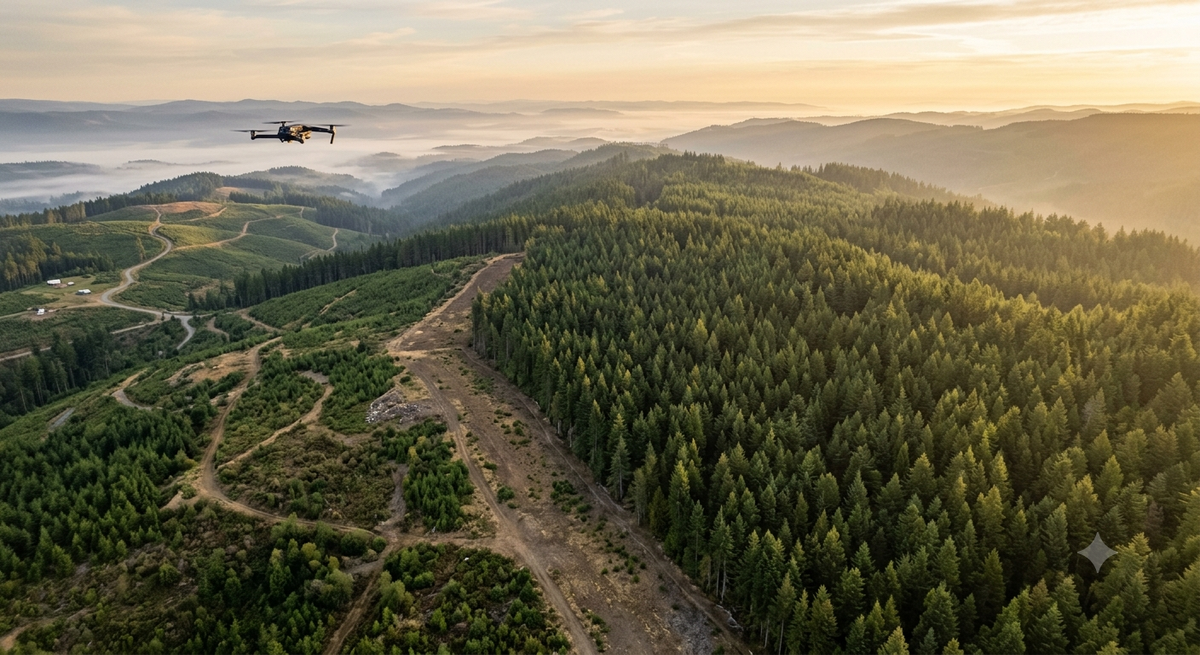
Watch from above. Hiring dedicated fire spotters and pairing them with drone patrols means fires can be caught in their first minutes, not their first hours. Drones equipped with thermal cameras can reach remote terrain faster than ground crews and confirm a hotspot before it becomes a blaze.

Canada can also learn from tactics already proven abroad:

  1. Goat and sheep grazing (Spain, Portugal, France, Italy). Herds are deliberately grazed through high-risk brushland to strip away the undergrowth that fuels fast-moving fires — a revival of centuries-old land management now backed by EU funding.
  2. Prescribed burning (Portugal). Since the 1980s, Portugal has run structured, legally regulated controlled burns to clear accumulated fuel before it becomes dangerous, particularly in mountain regions like Serra Cabreira.
  3. AI-powered detection towers (United States). Camera networks such as Pano AI scan the horizon around the clock, using artificial intelligence to spot smoke and alert crews 20–30 minutes faster than traditional reporting.
  4. Satellite monitoring (South Korea). Using geostationary satellite data from the Himawari-8 satellite, South Korea tracks fire risk and active blazes across the country in near real time.
  5. Mechanical vegetation removal (across Europe). Thinning, pruning, and mastication — mechanically breaking up dense brush — are used alongside grazing and burning to fragment the fuel supply before fire season begins.

No single tactic prevents forest fires on its own. But combined — bans, cleanup, disease control, firebreaks, aerial monitoring, and lessons borrowed from abroad — they form a defence that starts long before the first flame.

Elke Porter at:
Westcoast German Media
LinkedIn: Elke Porter or
WhatsApp:  +1 604 828 8788.
Public Relations. Communications. Education

Let’s bring your story to life — contact me for books, articles, blogs, and bold public relations ideas that make an impact.

TAGS: #WildfirePrevention #ForestFireSafety #ClimateResilience #FireSmartCanada #ForestManagement #WildfireAwareness

Share this article
The link has been copied!