By Elke Porter | WBN News Vancouver | November 22, 2026
Subscription to WBN and being a Writer is FREE!
A Rookie Minister Steps Into B.C.'s Biggest Portfolio
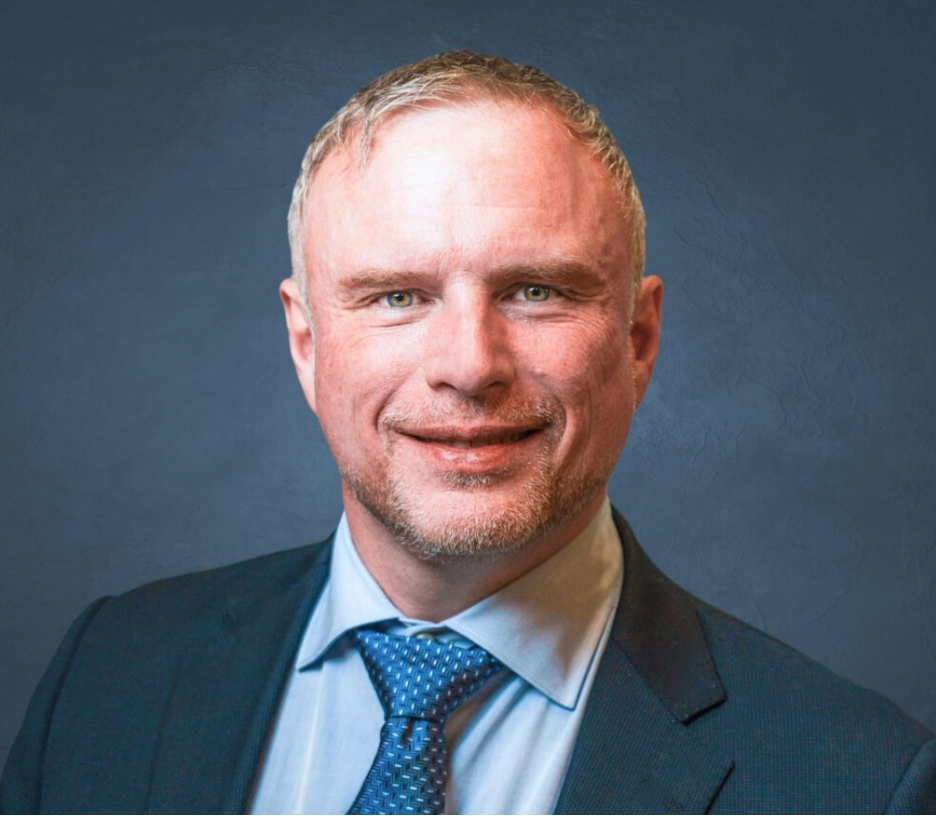
B.C. has a new face at the top of its health system. Premier Lorne Doerkson appointed Ryan Peterson Minister of Health in his new British Columbia cabinet on Friday, November 20, 2026. Peterson is a newcomer to provincial politics. Doerkson chose rookie MLA Ryan Peterson, who was a tech entrepreneur and led the BC Business Council, and that choice drew questions from reporters right after the swearing-in.
The premier defends the pick. Doerkson said he chose Peterson to handle the Health Ministry because it needs somebody with a business background. He called it "a massive ministry with 40 billion dollars of expenses" and said he was convinced Peterson could do the job.
A System Under Pressure
Peterson inherits a system that many British Columbians say failed them during the NDP years. The numbers back up that frustration. The province's emergency rooms closed almost 2,400 times from 2023 to 2025, and most closures hit hospitals in Northern and Interior Health, adding up to 26,600 hours over those three years.
The family doctor gap remains wide. Many British Columbians have no family doctor, and some wait more than five years to get one. The Conservatives say more than one million people still lack one. In emergency departments, patients often wait six hours or more, and 29,997 patients in the Island Health region walked out of an emergency room before seeing a doctor in 2024-25, a 160 per cent increase from six years earlier.
Front-line doctors saw little relief coming. Doctors of B.C. president Adam Thompson said his members saw no "significant change or improvements coming their way around emergency room closures".
To be fair to the previous government, the NDP did post gains. The Health Connect Registry matched a record 250,000 people with a doctor or nurse practitioner in 2024, and B.C. increased provincially funded acute care beds from 9,202 to 9,929, a rise of 7.9 per cent. Still, demand kept growing faster than the system could keep up.
Expectant Mothers Paid the Price
The staff shortages hit women giving birth especially hard. In Kamloops, Interior Health confirmed that the Thompson Region Family Obstetrics (TRFO) physician group closed to new referrals so it could put its remaining doctors on 24-7 labour and delivery at Royal Inland Hospital. That clinic delivers about 60 of the 100 babies born in the city each month, and it began turning patients away. Some pregnant women heard they had to travel to Salmon Arm, Vernon or Kelowna for prenatal care.
The problem spread across the Interior and the North. In the summer of 2025, staffing gaps put maternity care at risk in both Kamloops and Prince George. Health authorities warned they might have to transfer patients to another centre in the province. Before that, Kamloops MLA Peter Milobar, now B.C.'s finance minister, noted that pregnant women in Prince George were being diverted to Kamloops for reduced obstetric services that August, while Kamloops itself faced cutbacks. Prince George MLA Kiel Giddens put it bluntly: "We can't expect pregnant women to have to travel all the way to Kamloops, Kelowna or Vancouver to deliver a baby."
The Lower Mainland struggled too. Peace Arch Hospital in White Rock went on maternity diversion for the fifth time since December 2025. Fraser Health also announced another diversion at Ridge Meadows Hospital in Maple Ridge, scheduled for Feb. 12 to 17, 2026. Fraser Health linked the shortages to physician retirements, fast population growth and fewer family doctors choosing to practise maternity care.
Also Health Minister Adrian Dix said hospitals were postponing some surgeries due to staffing shortages created by unvaccinated health-care workers placed on unpaid leave. The Interior was hit hardest: more than a thousand of those unvaccinated workers were from the Interior, more than Vancouver Coastal and Fraser Health combined.
The Conservatives now promise to reverse this trend. Their platform commits to keeping rural emergency rooms and maternity wards open and to building a new women and children's hospital in Surrey, so families no longer have to travel to Vancouver for care.
Five Initiatives to Watch
The Conservatives campaigned on a clear health agenda. Here are five key promises Peterson now has to deliver.
1. The Universal Health-Care Guarantee
The flagship promise targets surgical backlogs. The platform pledges publicly funded treatment through another qualified provider when medically recommended surgical wait benchmarks are exceeded. The government frames this as a patient-first guarantee. It also promises that people will access health care with their BC Health Card, not their credit card, every time.
2. A $50-Million Fund to Stop ER Closures
Rural communities have suffered most from closed emergency rooms. The Conservatives vow to end temporary ER closures by establishing a new $50 million fund. The party also says it will support rural medical practices at risk of closing, and it plans to bolster medical transport in rural areas.
3. Recruiting and Training More Doctors
The staffing shortage drives almost every other problem. The government plans to "train more doctors here in B.C., bring home Canadians who studied medicine abroad, and speed up international credential recognition."
4. An Expert Commission in the First 100 Days
The party wants to borrow ideas that work elsewhere. Within its first 100 days, it will launch an expert commission to bring proven solutions from other public systems to B.C. That timeline puts the commission on Peterson's desk by early 2027.
5. More Long-Term Care and Seniors' Support
B.C.'s aging population needs more beds. The province is expected to need 16,000 additional long-term care beds over the next decade. The Conservatives promised to resume work on long-term care projects that were halted in the latest budget and to "cut unnecessary design rules" to help build new facilities more quickly. For seniors, the plan also includes expanded home-care choices, HandyDART improvements, a restored seniors' property-tax deferral and a free shingles vaccine.
The government also promises a new women and children's hospital in Surrey, so families no longer have to travel to Vancouver for care.
The Price Tag and the Pushback
These promises come at a cost. The party's access promises cost about $205 million annually, excluding seniors' pledges, which add about $350 million.
Critics raise two main concerns. First, the surgical guarantee would route patients to private providers, which critics say could expand two-tier care. Doerkson rejects that charge, saying "we will fully fund health care. Public, absolutely public health care is a priority for us."
Second, the NDP questions the funding. NDP MLA Adrian Dix warns cuts to provincial revenues will mean service cuts or fee increases, such as hikes to medical services plan (MSP) payments.
What Comes Next
Peterson now has to show that a business mind can fix a public system. British Columbians will judge him on things they can see: open ER doors, shorter surgical waits, and a family doctor when they need one. The first test comes soon, when the 100-day expert commission is due.
Elke Porter at:
Westcoast German Media
LinkedIn: Elke Porter or
WhatsApp: +1 604 828 8788.
Public Relations. Communications. Education
Let’s bring your story to life — contact me for books, articles, blogs, and bold public relations ideas that make an impact.
Hashtags: #BCHealthCare #RyanPeterson #BCPoli #ERClosures #FamilyDoctor #LongTermCare